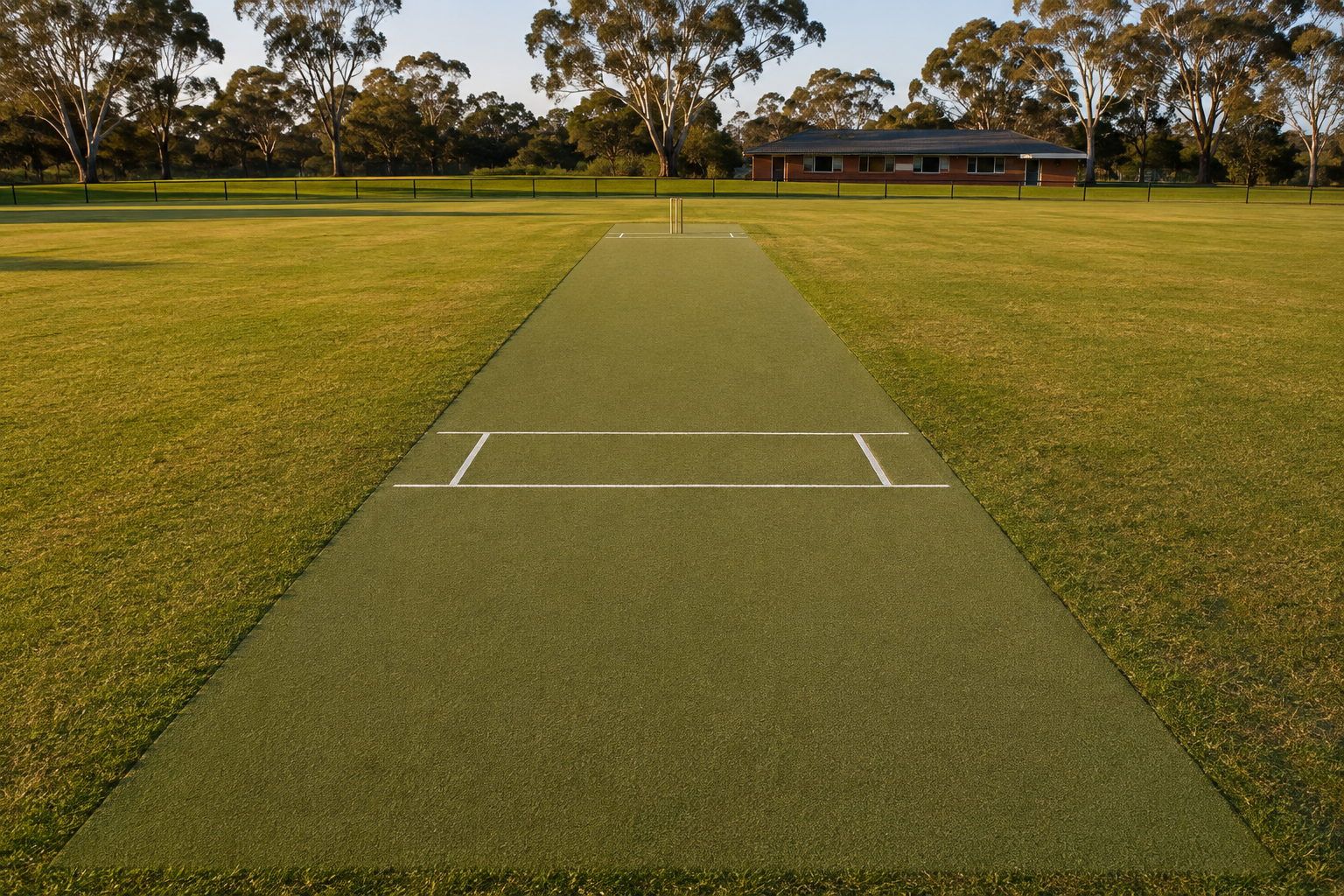
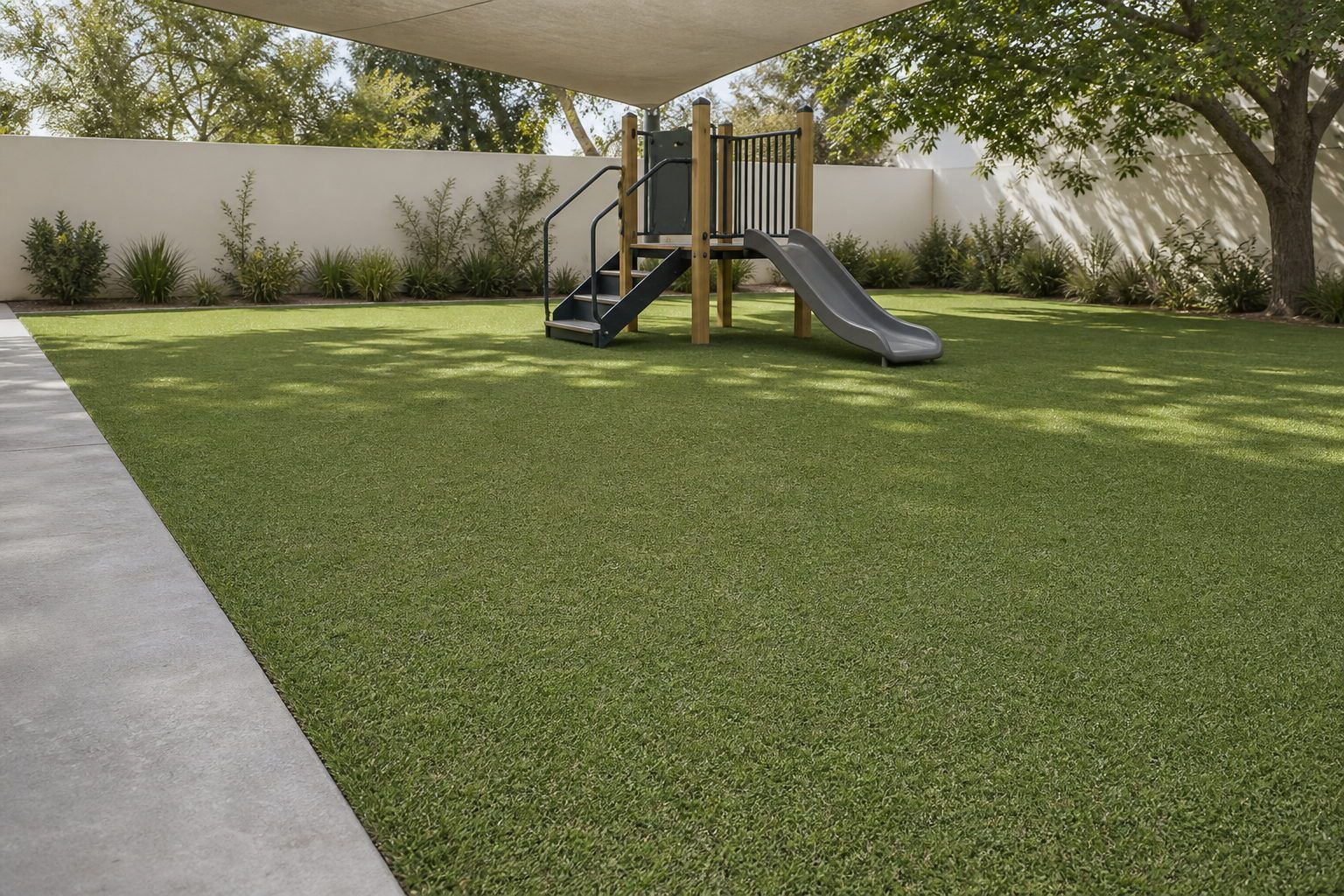
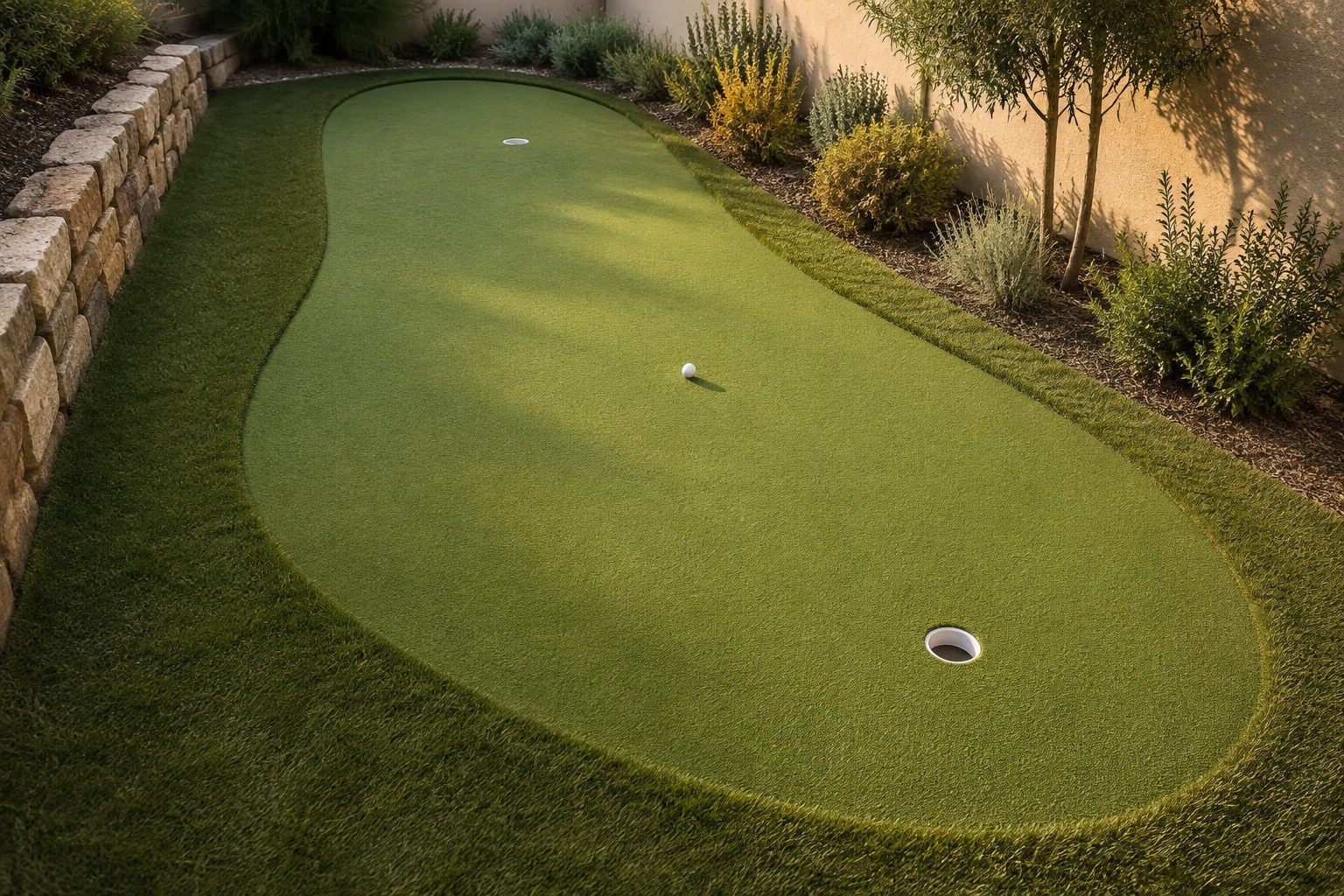
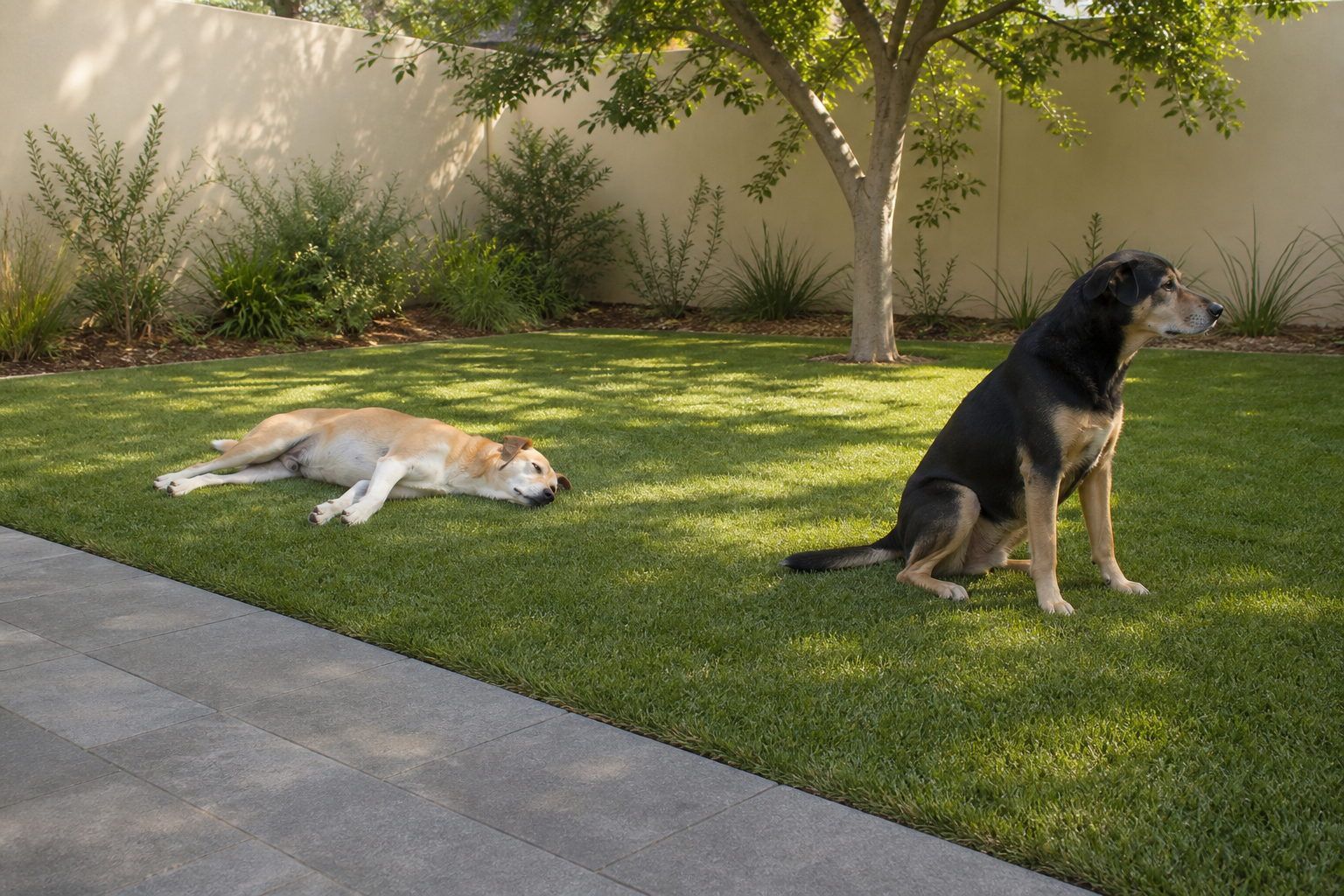
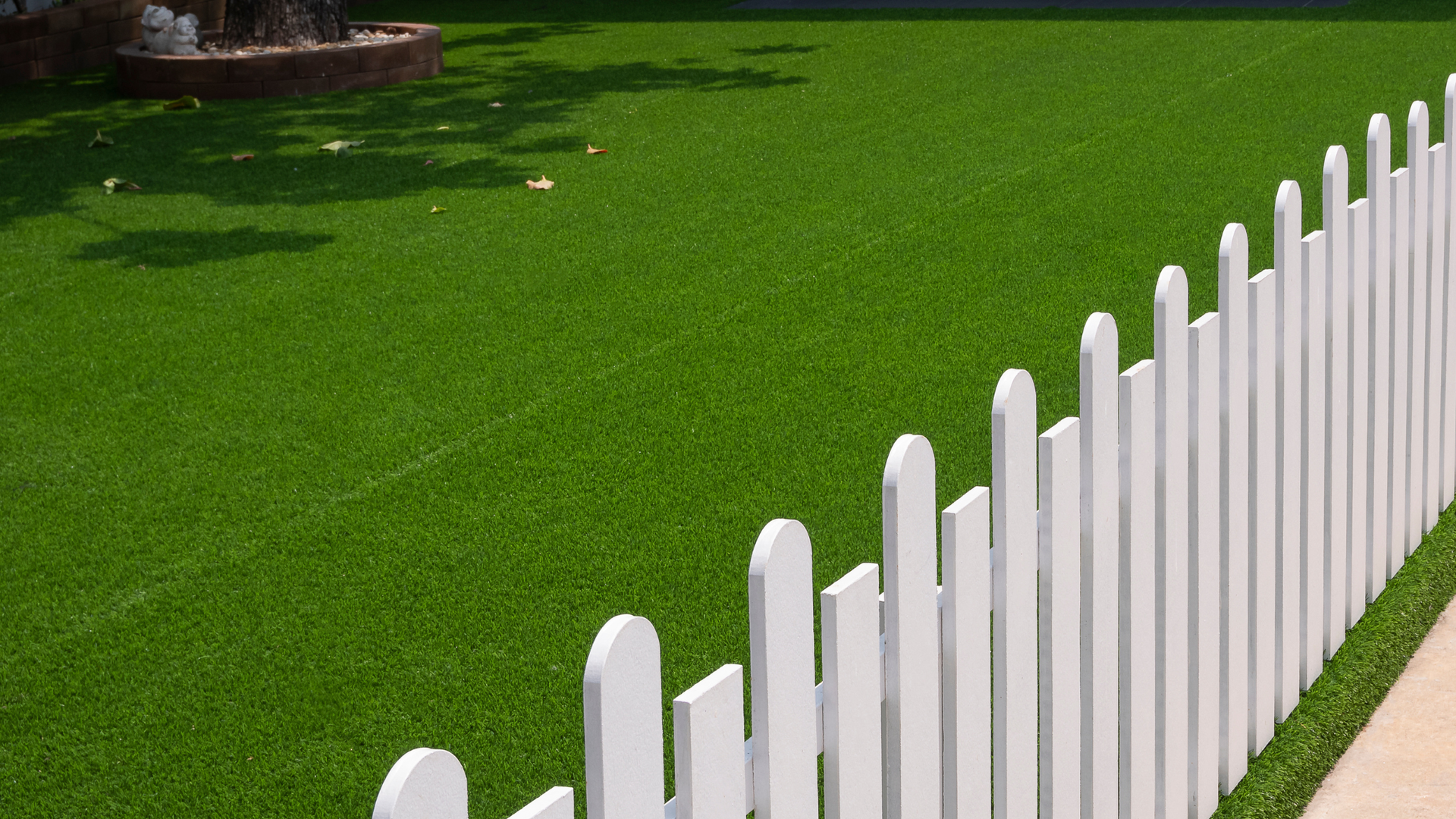
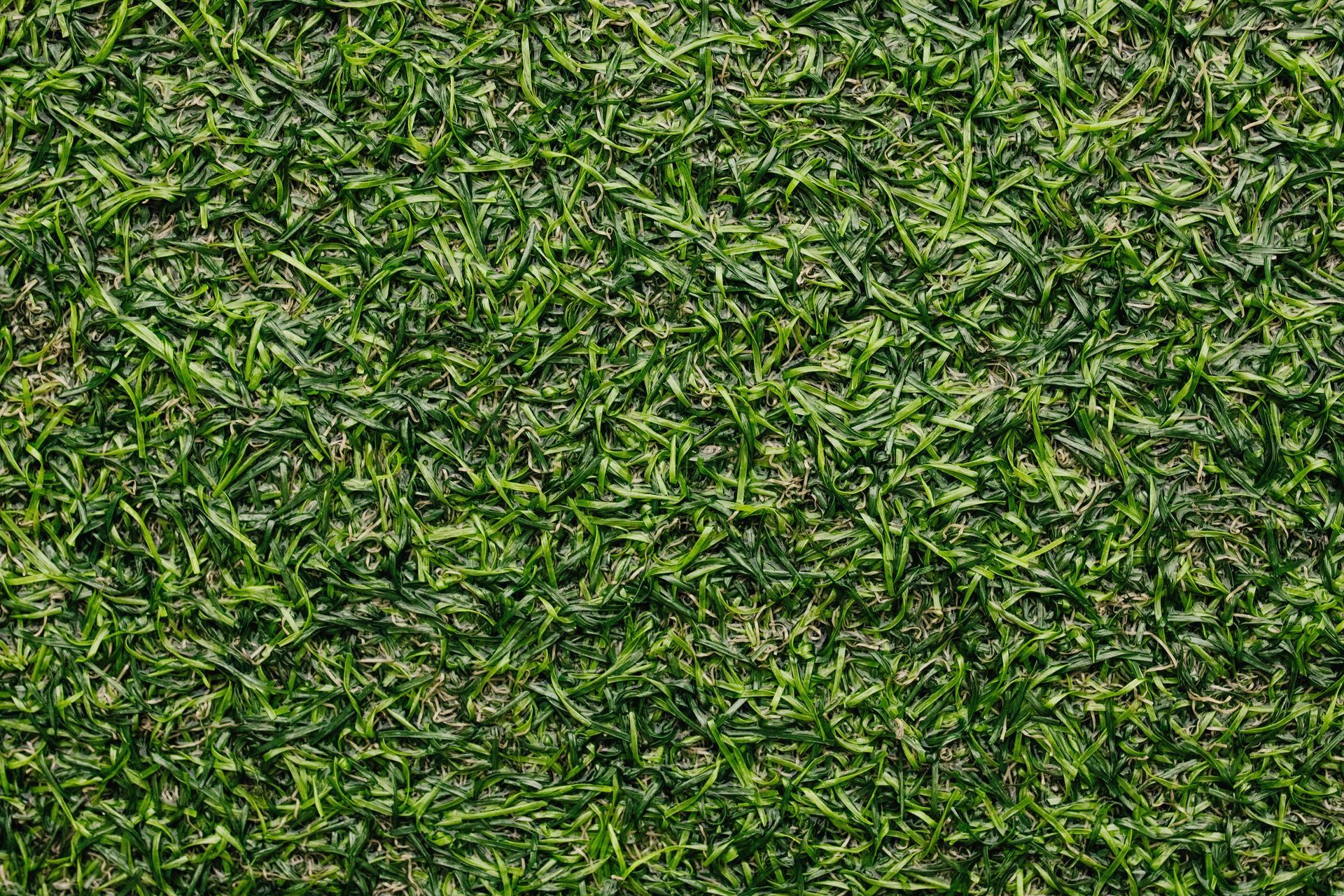
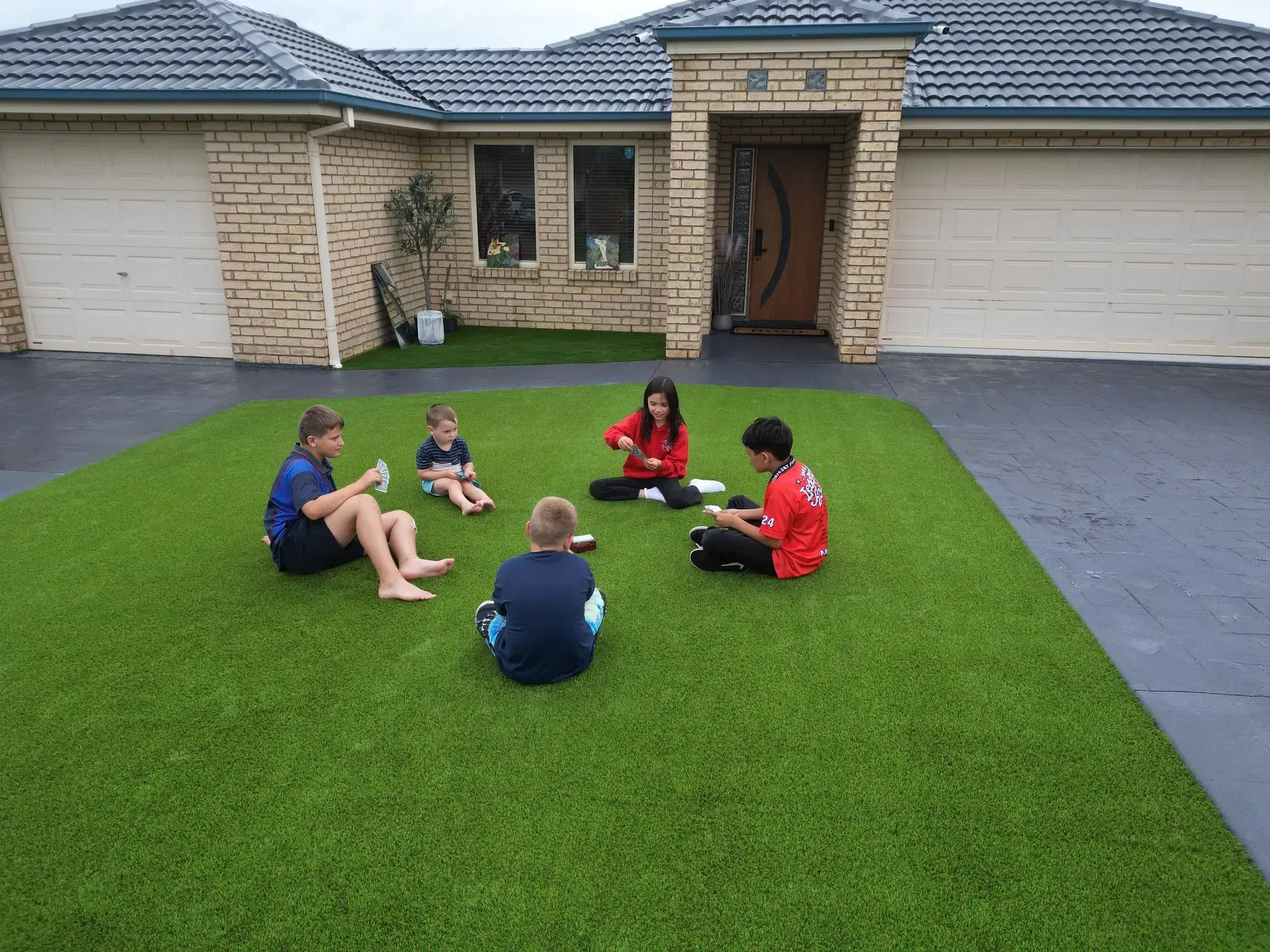
Decreased maintenance costs often offset the initial cost of artificial turf over time. As water restrictions become a regular feature of Australian summers, synthetic grass is becoming an increasingly affordable option for households wanting to reduce water bills without sacrificing a green backyard. The savings from a synthetic lawn are put into perspective in the NSW government’s guide to saving water at home, which shows how outdoor watering can contribute to household water use.
Does the Type of Artificial Turf Affect the Overall Cost?
Different artificial turf products vary in price based on how they’re built and what they’re designed for, so the type of turf you choose directly affects the final quote.
- Pile height
- Fibre material
- Stitch density
- UV protection
- Drainage capability
- Pet-friendly turf
- Sports-grade turf
- Premium landscape turf
Generally, the best long-term value is achieved by selecting the right product for your backyard, rather than opting for the cheapest option. A family with pets or small children might specify softness and drainage, but a low-traffic feature area might not require the same specification. Premium landscape turf is more realistic-looking and more durable for everyday use in your backyard than the options in the
urban turf solutions range. Improved drainage or extra softness underfoot may also be provided by specialised products, which is important if the lawn is going to be well-trodden.
What Addition
al Costs Should You Consider When Installing Artificial Turf?
Installation costs extend well beyond the price of the turf roll itself, and it’s these extra line items that catch many homeowners off guard when comparing quotes.
- Removal of existing lawn
- Excavation
- Base preparation
- Weed barrier installation
- Edging materials
- Drainage improvements
- Waste disposal
- Delivery charges
Homeowners considering
residential artificial grass installation
should ask for a detailed quote before any work begins. A clear, itemised estimate outlines the project's scope and expected costs, helping prevent unexpected add-on charges and giving you greater confidence in the investment.
For bigger jobs, it’s also nice to know that
NSW rules on residential building contracts require a written contract once the job’s value exceeds a certain amount, which gives the homeowner a clearer paper trail if costs or scope change halfway through. In particular, proper base preparation protects the investment and extends the turf’s life, as a poorly prepared base is one of the most common reasons synthetic lawns fail early.
Is Artificial Turf Worth the Installation Cost in the Long Run?
Many homeowners see artificial turf as a long-term investment rather than a one-off expense, largely because the ongoing maintenance costs drop almost entirely once it’s installed.
- Reduced maintenance costs
- Lower water bills
- Excellent durability
- Consistently attractive appearance
- Increased outdoor usability
- Long product lifespan
- Improved property presentation
Premium artificial turf can provide excellent long-term value through reliable performance, reduced maintenance, and lower ongoing expenses. This is especially beneficial for busy households that do not have the time to mow, water, fertilise, and repair a natural lawn regularly.
When considering
is artificial turf worth the investment?, it is important to compare the upfront installation cost with the potential savings over its lifespan. Professionally installed turf can reduce spending on water, lawn equipment, treatments, and ongoing maintenance. Over many years, the total cost of ownership may be lower than maintaining natural grass, while also providing a consistently neat and usable outdoor space.
Conclusion
The cost of artificial turf varies by product quality, site preparation, and project size. Still, most homeowners find the investment worthwhile when you factor in reduced maintenance, lower water usage, and long-lasting performance. Quality materials and an experienced installer really make a difference in the lawn’s performance over time. Whether from a
synthetic grass installation NSW company or a site visit, getting advice from a professional early helps homeowners choose the right turf solution for their backyard and budget.
If you’re weighing up your options, it’s worth requesting a tailored quote, shopping around for premium artificial grass products for different uses, and speaking to an experienced installer to find the most cost-effective approach for your home.
Frequently
Asked Questions
How much does artificial turf cost per square metre?
Pricing varies depending on turf quality, site preparation, and installation complexity, so costs per square metre can vary significantly between projects. Basic turf sits at the lower end of the scale, while premium, pet-friendly, or sports-grade products cost more. Getting a site-specific quote is the most reliable way to know what your backyard will cost, since ground conditions and access can significantly affect the price.
What factors influence the cost of artificial turf installation?
The main factors are turf quality, area size, existing ground conditions, drainage needs, base preparation, and labour. Properties with difficult access, poor drainage, or significant excavation requirements typically cost more to install. A professional inspection is the best way to identify which of these factors apply to your specific backyard before committing to a quote.
Is artificial turf more expensive than natural grass?
Yes, in terms of upfront cost, artificial turf is generally more expensive to install than natural grass. However, natural lawns carry ongoing costs for water, mowing, fertiliser, and general upkeep that add up significantly over time. When comparing total ownership costs over the life of the lawn, artificial turf is often the more economical option.
Does artificial turf require ongoing maintenance costs?
A synthetic lawn still needs some upkeep, but far less than a natural one. Most homeowners simply hose it down now and then, give the fibres a light brush to stand them up, and clear away leaves or garden debris. What disappears entirely are the recurring costs of mowing, watering, and fertilising, and that’s where the bulk of the long-term savings comes from.
Can I install artificial turf myself to save money?
DIY installation can reduce labour costs, but it carries real risks if base preparation and drainage aren’t done correctly. Poor groundwork often leads to drainage problems, uneven surfaces, or a shorter turf lifespan. For most backyards, professional installation offers better long-term value and protects the investment, even though it costs more initially than doing it yourself.