
Types of Artificial Grass Turf: Compare Your Options
Artificial grass guide for Australian homeowners · 12 min read
Artificial grass comes in a range of fibre materials, pile heights, densities, colours and backing systems. Understanding the different types of artificial grass turf makes it easier to compare products. A showroom sample can look convincing, but products that look similar on a display board may perform very differently once exposed to daily foot traffic, pets, sun and rain.
Artificial grass is a manufactured ground covering made from synthetic fibres secured to a backing, with different turf types designed for landscaping, pets, play areas, balconies and high-traffic spaces.
The right choice depends on how the yard is used, expected traffic, whether children or pets are present, sun exposure, drainage, appearance, maintenance expectations, budget and the installation surface.
Artificial Grass at a Glance
- Residential landscape turf commonly uses soft polyethylene fibres and a medium pile.
- Pet-friendly turf needs manageable fibres, effective drainage and a correctly prepared base.
- Play-area turf must be assessed as a complete system, including any impact-absorbing underlay.
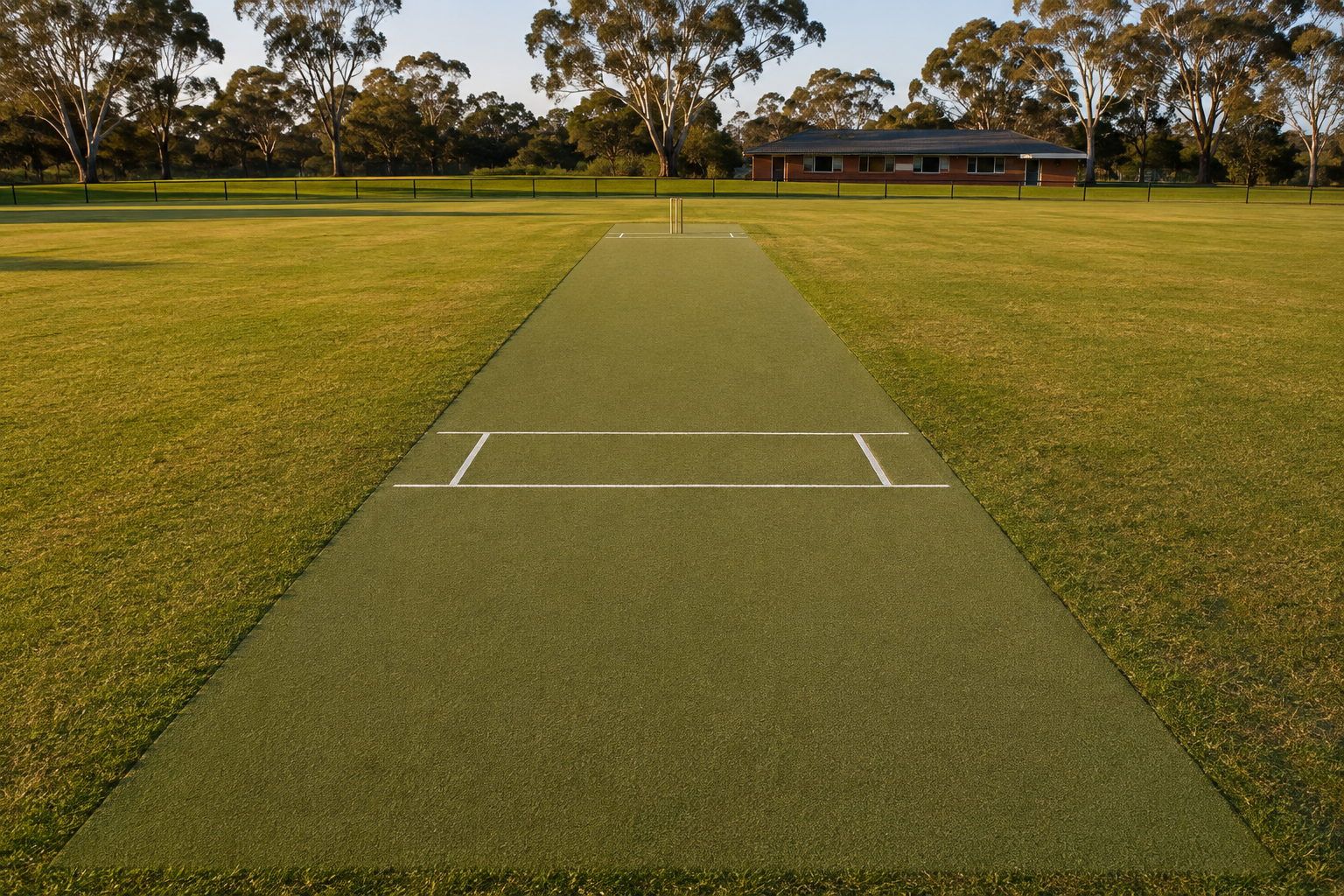
- Putting turf uses a very short and directional pile to support controlled ball roll.
- Pile height is not a quality score. Density, blade shape, backing and installation also affect performance.
- Synthetic turf can become hot when exposed to direct summer sunlight.
In This Guide
What Are the Different Types of Artificial Grass Turf?
Artificial grass types are grouped by fibre material, pile construction and intended use. Polyethylene is common in residential landscaping, polypropylene often appears in lower-pile or decorative products, and nylon is used where greater resilience is needed. Many products blend materials within the same system, so check the specification rather than assuming a single polymer is used throughout.
Polyethylene. This is commonly used for residential landscape turf because it can provide a soft feel and lawn-like appearance.
Polypropylene. This lightweight material frequently appears in thatch layers, decorative turf, mats and lower-pile products.
Nylon or polyamide. Nylon generally produces firmer and more resilient fibres suited to specialised or high-wear applications.
Blended systems. These products combine materials so that different fibres perform different functions within the same turf.
Common Fibre Constructions
- Monofilament blades
- Fibrillated or tape yarn
- Straight blades
- Textured or curled fibres
- Multi-shape blades
- Thatch layers
- Single-tone and multi-tone colour systems
| Material | General characteristics | Common uses | Main consideration |
|---|---|---|---|
| Polyethylene | Soft with a lawn-like appearance | Residential lawns and family yards | Quality varies by yarn profile, density and construction |
| Polypropylene | Lightweight and commonly used in thatch | Decorative areas, mats and blended turf | May provide less resilience in demanding applications |
| Nylon or polyamide | Firm and resilient | High-wear and specialised areas | Can feel less soft and may cost more |
| Blended fibres | Combines different fibre properties | Landscaping, pet areas and realistic lawns | Check which material performs each function |
Product Types by Intended Use
| Artificial grass type | Typical pile profile | Best use | Main advantage | Main limitation |
|---|---|---|---|---|
| Landscape turf | Medium pile with mixed colours | Front and back lawns | Natural-looking finish | May require brushing |
| Short-pile turf | Low and firm | Courtyards and balconies | Easy to clean | May appear less lawn-like |
| Dense family turf | Medium pile with strong coverage | Family yards | Balances softness and resilience | Density affects cleaning and price |
| Pet-focused turf | Short to medium pile with effective drainage | Dog runs and pet yards | Easier waste removal | Drainage alone will not prevent odour |
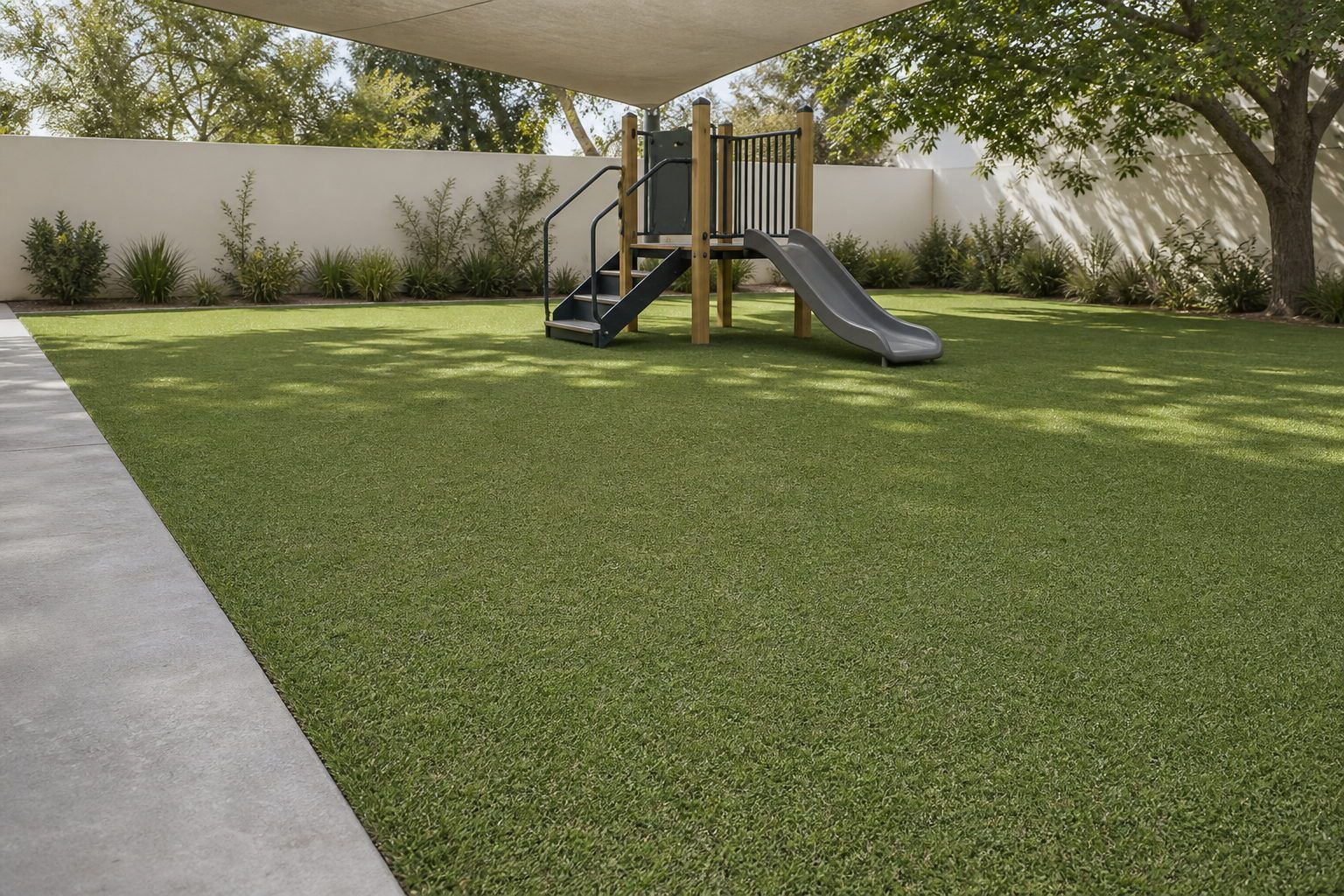
| Play-area turf | Short to medium resilient pile | Children's activity areas | Durable and easier to maintain | Safety depends on the complete system |
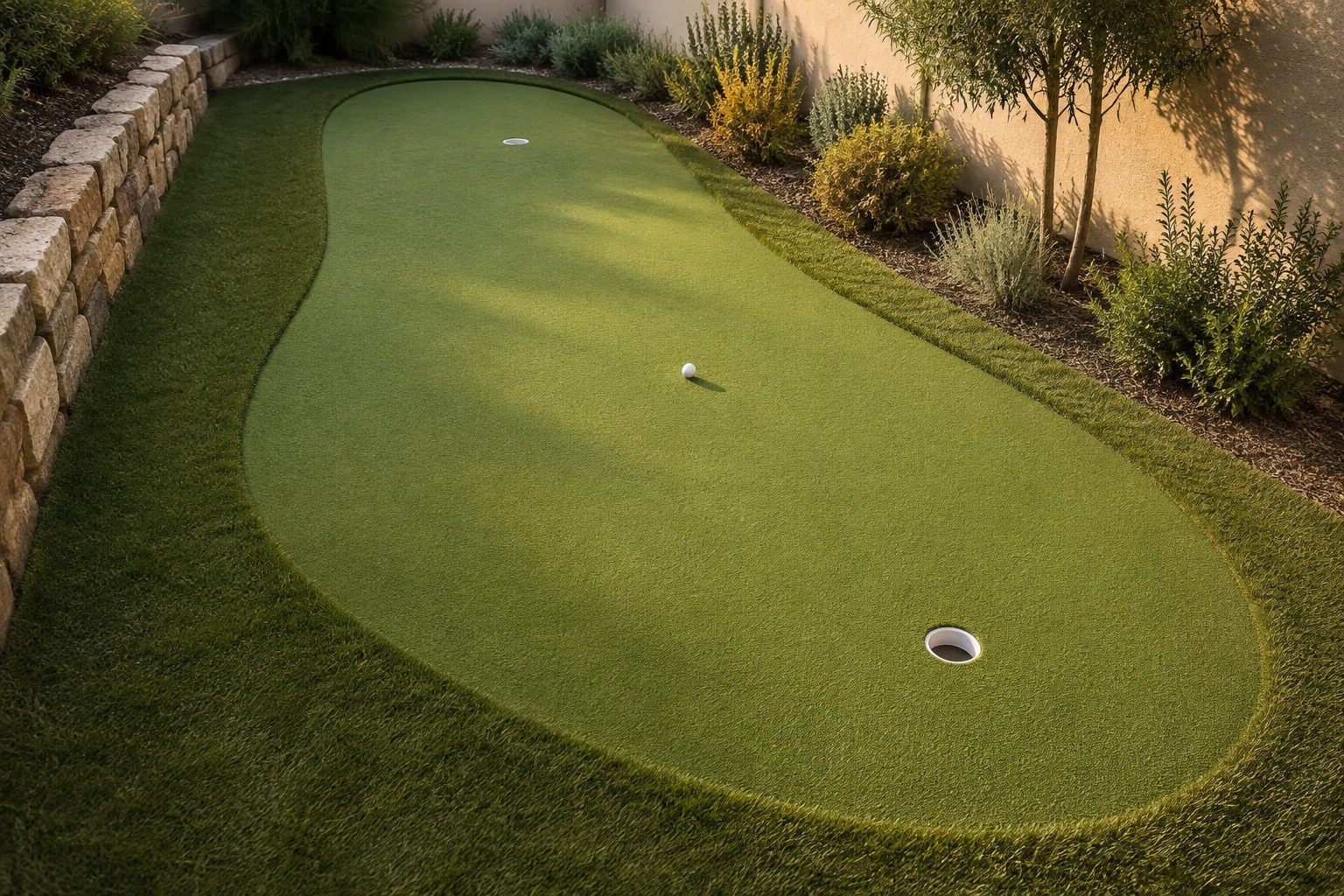
| Putting turf | Very short and directional | Backyard putting greens | Supports controlled ball roll | Requires specialised base preparation |
| Poolside turf | Short to medium pile with suitable drainage | Pool surrounds | Avoids mud and grass clippings | Heat and slip conditions require consideration |
| Premium long-pile turf | Longer fibres with thatch | Low-use ornamental lawns | Lush appearance | Can flatten and retain debris |
| High-traffic turf | Shorter and resilient | Paths and frequently used areas | Better recovery under repeated use | May feel firmer underfoot |
Marketing categories are not standardised. Two products labelled “pet turf” or “premium landscape turf” can use different fibres, densities and backing systems. Compare the written specifications rather than relying on the product category.
Which Artificial Grass Is Best for Lawns and Landscaping?
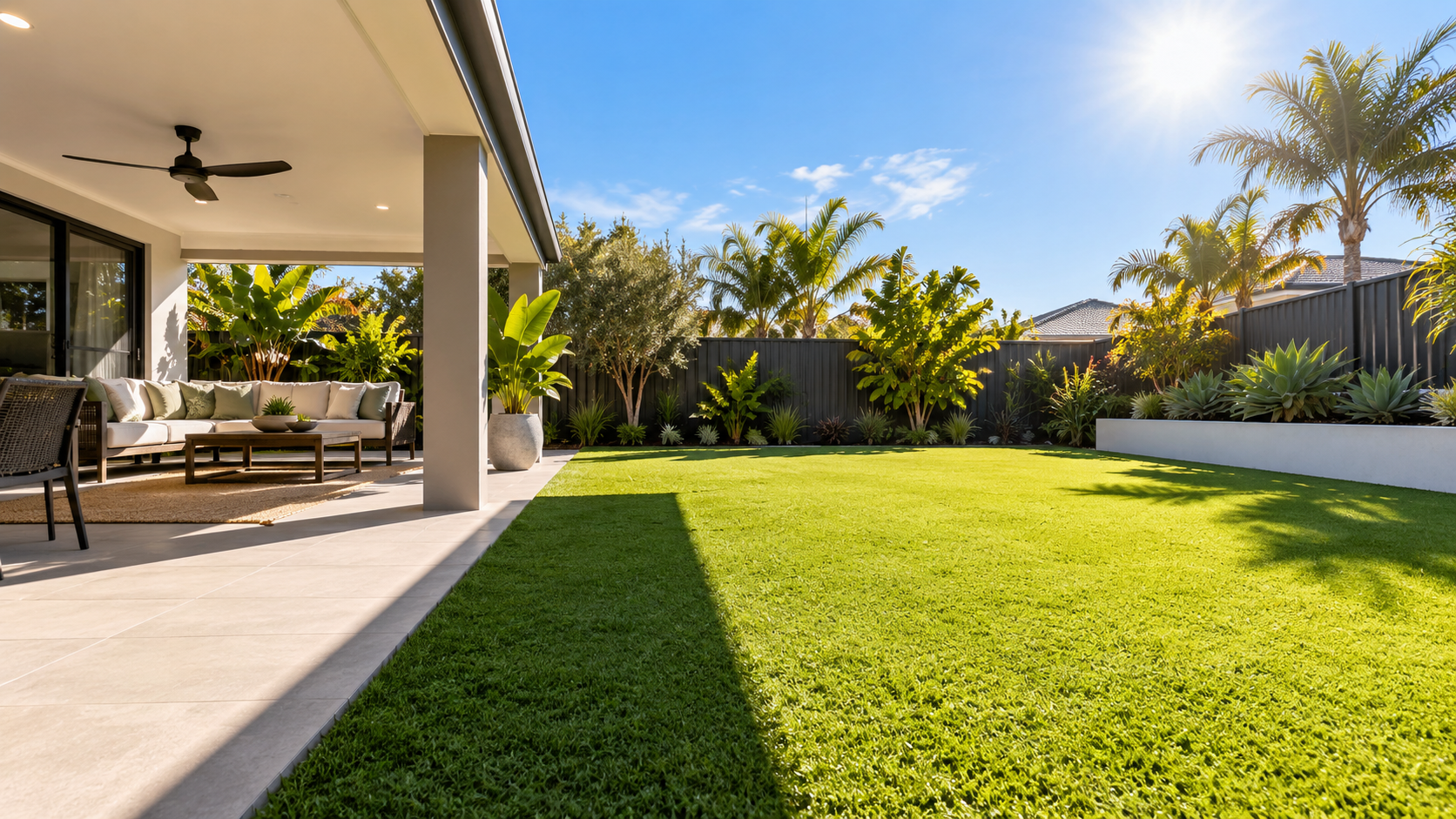
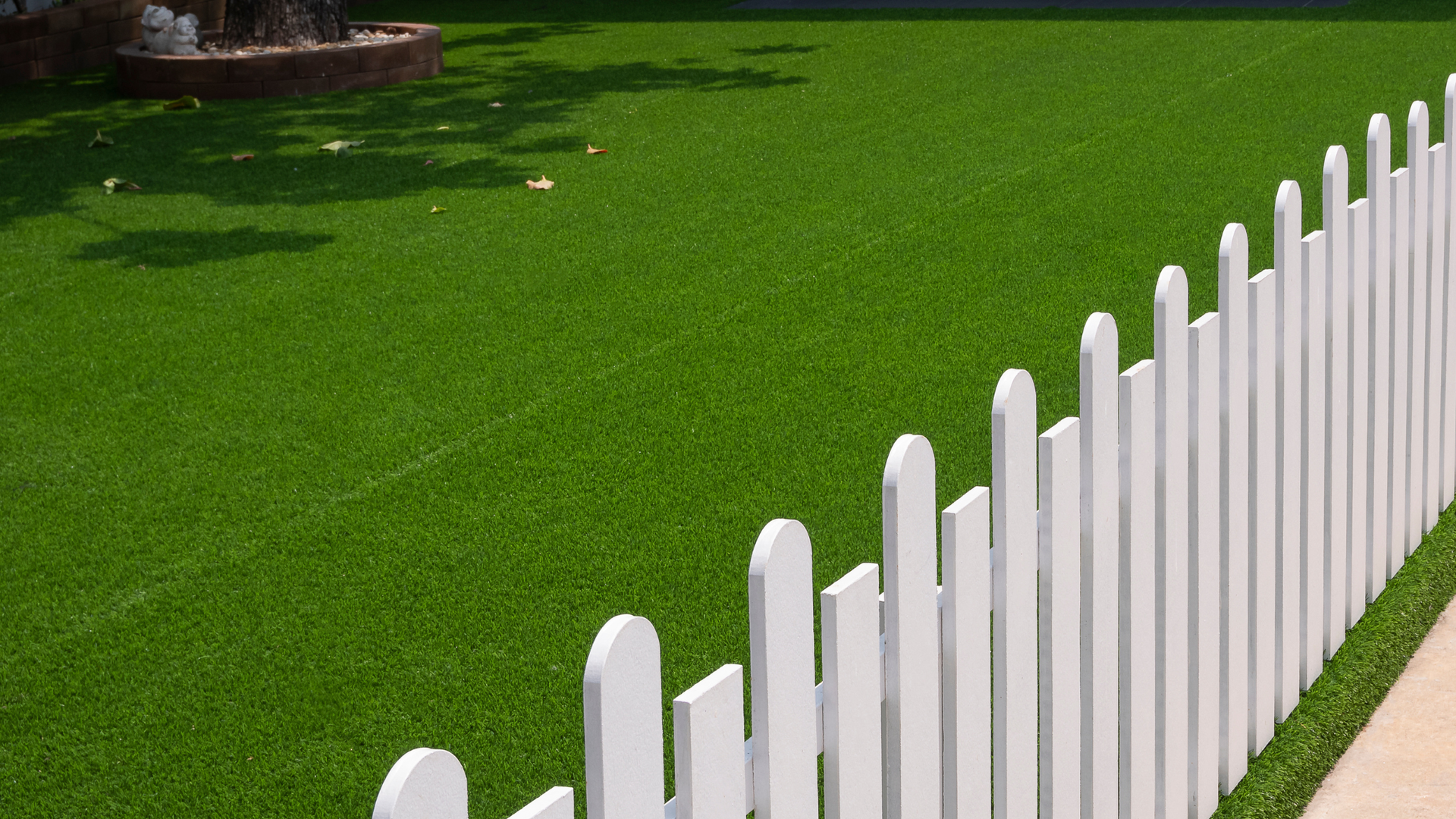
For most residential lawns, a medium-pile polyethylene product with varied blade colours and a textured thatch layer provides a practical balance of appearance, softness and recovery. However, the best specification still depends on traffic, sunlight and maintenance.
Features to Assess
- Natural colour variation
- Matt rather than highly reflective fibres
- Mixed blade shapes
- Brown or green thatch
- Appropriate pile height
- Fibre recovery
- Stitch consistency
- Backing strength
- Drainage capacity
- UV-stability documentation
- Warranty coverage
- Pile direction after installation
| Area | Recommended starting specification | Why it may suit |
|---|---|---|
| Front lawn | Realistic medium pile with mixed tones | Appearance is usually the main priority |
| Family backyard | Medium pile with good resilience | Balances comfort, appearance and wear |
| Narrow side path | Shorter and firmer pile | Easier cleaning and less flattening |
| Courtyard | Short to medium pile | Works better around furniture and frequent access |
| Balcony | Lightweight, low-pile system suited to the substrate | Drainage and building requirements are critical |
| Shaded area | Product selected for moisture and debris conditions | Shade does not remove the need for drainage |
| Sloping area | Product and installation system designed for the slope | Secure fixing and drainage become more important |
| Pool surround | Short to medium pile with suitable drainage | Easier maintenance around wet areas |
Compare full-size samples outdoors rather than relying on small swatches. A small sample rarely reveals seams, pile direction, glare or how the colour will appear across an entire lawn.
What Type of Artificial Grass Is Suitable for Pets?
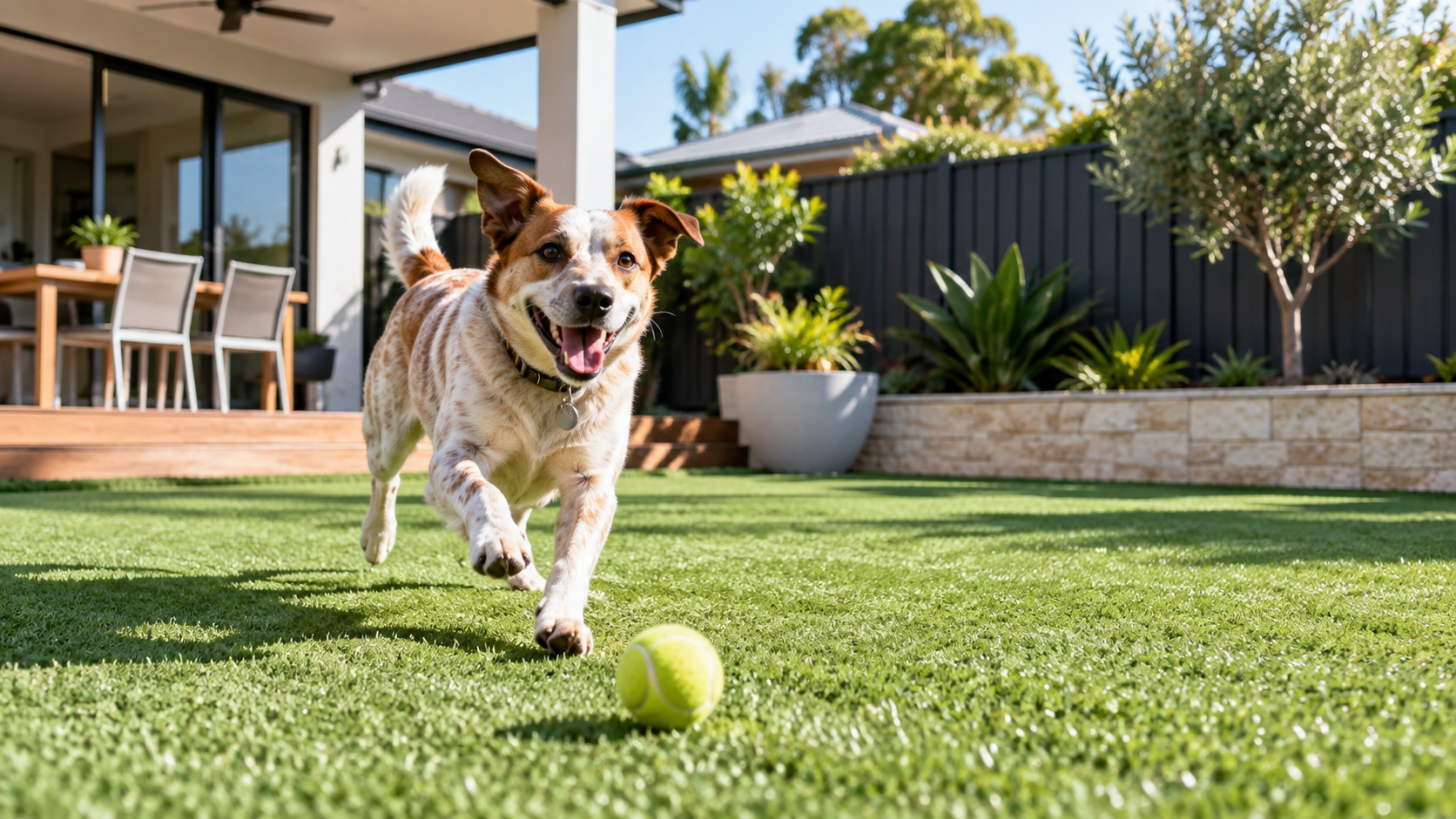
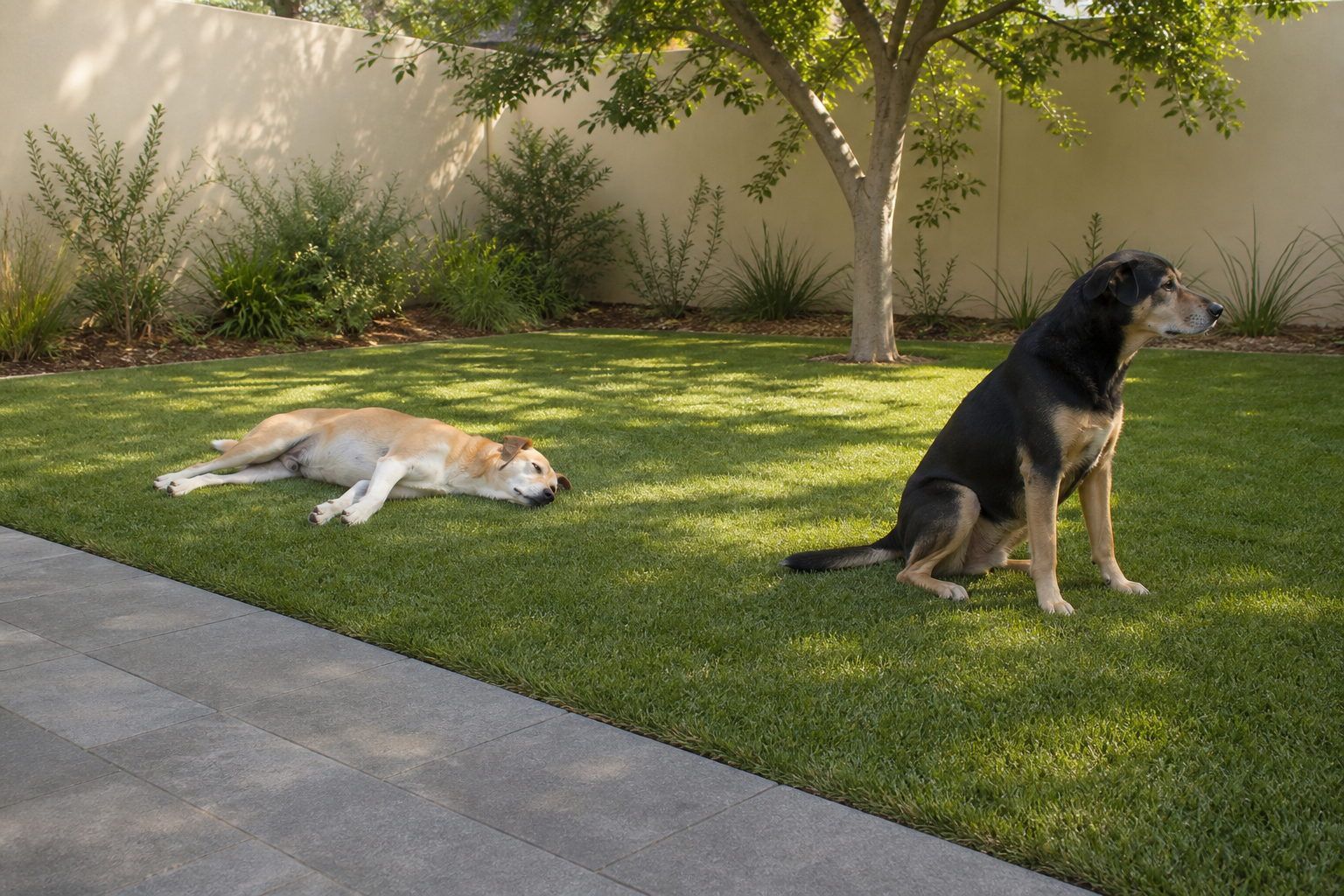
Pet-friendly artificial grass needs effective drainage, durable fibres and a pile height that allows solid waste, fur and debris to be removed easily. Odour control depends on the base, drainage and cleaning routine, not only the turf itself.
For a closer look at product and installation requirements, explore the available artificial grass options for dogs.
Pet-Turf Features
- Short to medium pile
- Resilient fibres
- Strong backing
- Effective drainage pattern
- Correctly prepared sub-base
- Stable perimeter fixing
- Accessible edges for cleaning
- Suitable infill where required
- Compatible cleaning products
- Warranty coverage permitting pet use
| Feature | Why it matters | What to check |
|---|---|---|
| Pile height | Long fibres can trap waste and fur | Choose a manageable height |
| Drainage backing | Helps liquids pass through the turf | Ask for product-specific drainage data |
| Sub-base | Controls where liquid travels after passing through | Confirm grading, permeability and discharge |
| Join quality | Poor joins may lift or retain contaminants | Check the adhesive and joining method |
| Edge security | Pets may pull at loose edges | Confirm how the perimeter will be restrained |
| Fibre resilience | Repeated running can flatten weak fibres | Compare recovery after brushing |
| Surface temperature | Hot turf can be uncomfortable for paws | Test the surface before pets use it |
Be cautious of unsupported terms such as “antibacterial”, “odour-proof”, “toxin-free” or “hypoallergenic”. Only rely on these claims when they are supported by credible, product-specific evidence.
How Do Pile Height, Density and Material Affect Performance?
Pile height affects appearance and cleaning, density affects coverage and feel, and fibre material influences softness and recovery. These specifications work together and should not be used as standalone quality scores.
- Pile height
- The length of the visible fibre measured above the backing.
- Density
- The amount or concentration of yarn within a defined area.
- Stitch rate
- The number of stitches over a stated length or area.
- Face weight
- The weight of the yarn above the backing per unit area.
- Blade shape
- The fibre's cross-sectional profile, which influences stiffness and recovery.
- Thatch
- Shorter curled fibres beneath the main blades that add body and colour variation.
- Backing
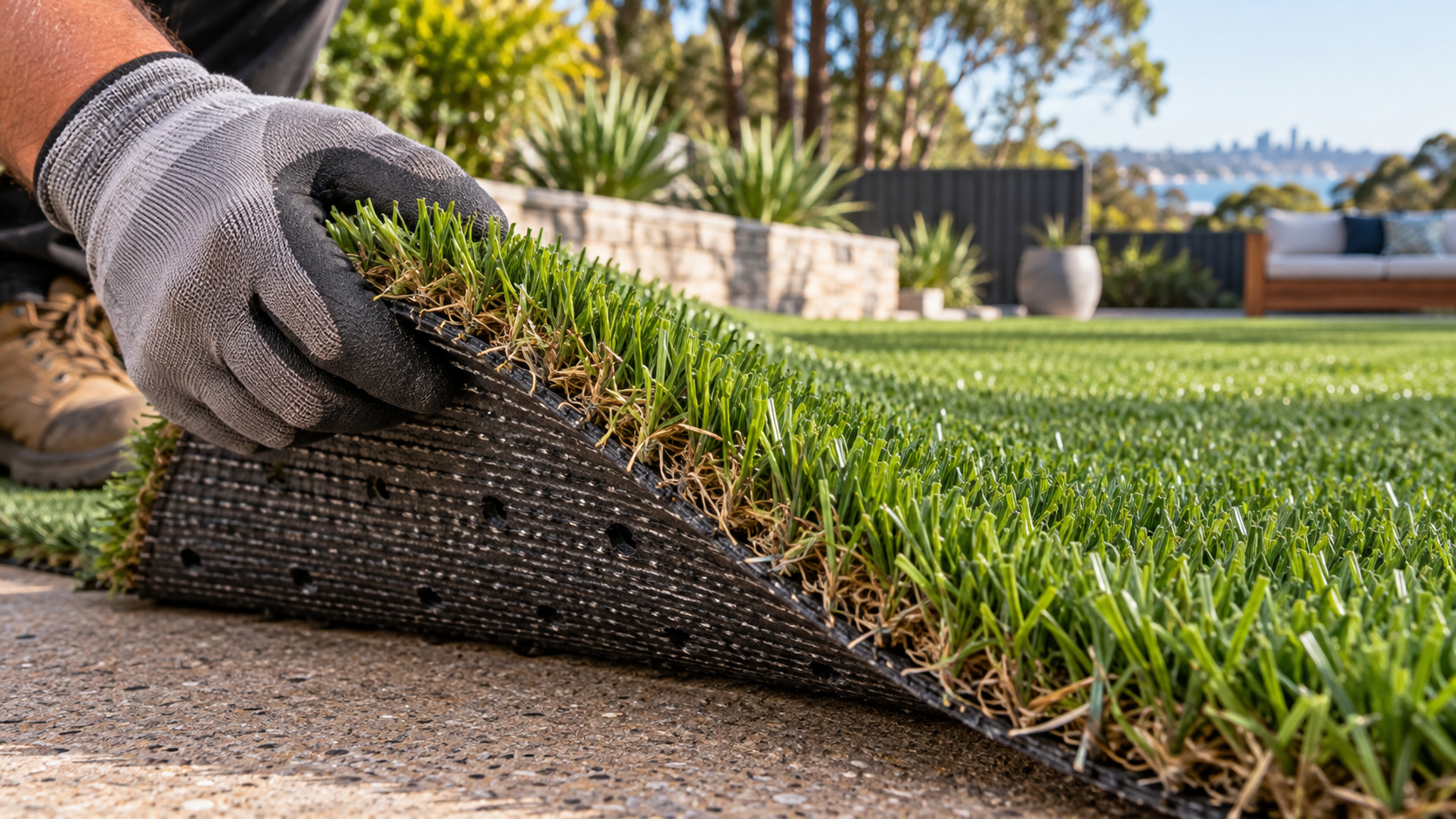
- The layered material that holds the fibres and provides dimensional stability.
- Drainage rate
- The volume of water a product or installed system can transmit under stated test conditions.
| Indicative pile height | Appearance and feel | Common applications | Main trade-off |
|---|---|---|---|
| Under 15 mm | Very short, firm and controlled | Putting greens, mats and specialised surfaces | Does not resemble a conventional lawn |
| Approximately 15–25 mm | Neat, compact and easier to clean | Balconies, courtyards, pet areas and high-use zones | May appear less lush |
| Approximately 25–35 mm | Balanced and lawn-like | Family yards and general landscaping | Requires suitable density and fibre recovery |
| Approximately 35–45 mm | Fuller and softer-looking | Decorative and lower-traffic lawns | More likely to flatten or retain debris |
| Above approximately 45 mm | Deep and lush | Specialised aesthetic applications | Greater cleaning and brushing demands |
Ask for comparable specifications when weighing up products. A density figure quoted without its unit or measurement method cannot be reliably compared with another supplier's number.
How Do You Choose the Right Artificial Grass for Your Yard?
Choose artificial grass by matching the turf construction and installation system to the yard's use, traffic, drainage, sunlight and maintenance needs. Assess appearance only after these practical requirements have been defined.
Artificial Grass Selection Process
- Identify how the area will be used.
- Estimate regular foot traffic.
- Consider pets, children and furniture.
- Inspect the existing surface and drainage.
- Measure sun and shade exposure.
- Select a practical pile-height range.
- Compare fibre construction and recovery.
- Review backing and drainage data.
- Check installation and infill requirements.
- Compare warranties and exclusions.
- View large samples outdoors.
- Request an itemised installation quote.
| Priority | Recommended starting type | Reason |
|---|---|---|
| Natural lawn appearance | Medium-pile landscape turf with mixed tones | Balances realism and maintenance |
| Dogs and easy cleaning | Resilient short-to-medium pile with effective drainage | Waste and fur are easier to access |
| Children's play | Resilient turf with a professionally designed base | The complete system determines impact performance |
| High foot traffic | Shorter, denser and resilient construction | Better suited to repeated compression |
| Balcony or courtyard | Low-to-medium pile suited to the substrate | Furniture stability and drainage are priorities |
| Backyard putting | Specialised short-pile turf | Designed for controlled ball roll |
| Pool surround | Draining short-to-medium turf | Easier maintenance around wet areas |
| Lush appearance | Longer landscape pile | Creates visual depth but needs more grooming |
For specialised applications, compare synthetic putting-green systems or review the requirements for playground soft-fall surfacing.
Sample Comparison Checklist
- Product name and batch
- Fibre material
- Pile height
- Density and stated unit
- Face weight
- Blade shape
- Thatch construction
- Colour variation
- Backing type
- Drainage data
- UV-stability documentation
- Intended-use rating
- Warranty terms and exclusions
- Recommended infill
- Maintenance instructions
- Country of manufacture
Place samples on site for several days and view them in morning light, midday sun, afternoon light and shade. Colour and texture can appear very different throughout the day.
What Installation Factors Affect Artificial Grass Performance?
Even high-quality artificial grass can perform poorly if the ground preparation, drainage, joins, edges or pile direction are unsuitable. Compare the complete installed system rather than the turf roll alone.
| Installation factor | Why it matters | Warning sign |
|---|---|---|
| Sub-base preparation | Supports the surface and limits settlement | Soft or uneven areas |
| Drainage | Moves water away from the installation | Ponding or persistent odour |
| Compaction | Creates a stable platform | Footprints or depressions |
| Surface falls | Directs runoff appropriately | Water flowing towards buildings |
| Joins | Creates a continuous appearance | Visible gaps, ridges or lifted edges |
| Pile direction | Affects colour and visual consistency | Adjacent rolls appearing different |
| Perimeter restraint | Prevents edge movement | Curling or loose edges |
| Infill | May support the fibres and add stability | Uneven application or incompatible material |
| Concrete installation | Requires suitable drainage and fixing | Trapped water beneath the turf |
For the complete process, see what professional synthetic grass installation involves.
What Affects the Cost of Artificial Grass?
Cost depends on more than the price per square metre advertised by a supplier. A realistic budget accounts for the turf, existing surface removal, excavation, sub-base materials, drainage, perimeter fixing, infill, site access, waste removal and professional installation.
Other factors include fibre material and blend, pile height, density, face weight, backing type, colour and thatch construction, total area, site difficulty and warranty coverage.
No single Australian price applies to every project. A low-traffic balcony and a large pet-friendly backyard with poor drainage can be priced very differently even when their areas are similar. Request an an itemised quote quote after a site assessment so the figure reflects the selected turf specification and actual ground conditions.
Environmental and Heat Considerations
Synthetic turf needs no mowing or regular irrigation, but it introduces other considerations. These include surface heating, reduced evaporative cooling, fibre or infill loss, runoff, cleaning-water discharge, plastic composition, service life, disposal and genuine recycling pathways.
Research published in Building and Environment measured artificial turf during a Melbourne summer and recorded substantially higher surface and near-surface temperatures than natural turf, including conditions associated with skin-burn risk. The study assessed specific products and conditions, so its measurements should not be applied directly to every residential installation. However, the heat risk remains relevant.
Practical steps: Check the surface before children or pets use it on hot days, provide trees or shade sails, do not assume brief watering will keep the surface cool, retain garden beds where practical, and ask the supplier about verified end-of-life options.
Get a Site Assessment Before You Choose
The right artificial grass should suit how your yard is used, not just how the sample looks. Arrange a site assessment to compare pile heights, fibre materials, drainage and installation requirements for your lawn, pets and budget.
Frequently Asked Questions
What is the most natural-looking type of artificial grass?
Medium-pile polyethylene turf with varied blade shapes, multiple green tones and textured thatch often looks the most lawn-like. Realism also depends on density, pile direction, seam placement and installation quality. View large samples outdoors at standing height rather than relying on close-up photographs.
Which artificial grass is best for dogs?
Pet-friendly artificial grass usually has resilient short-to-medium fibres, secure edges and a backing that works with a correctly prepared drainage base. A manageable pile makes waste, hair and debris easier to remove. No turf is automatically odour-free because liquid must drain through the complete installation.
What pile height should you choose for a residential lawn?
A medium pile of approximately 25–35 mm is a common starting point for residential landscaping because it balances appearance with practical maintenance. Shorter products may suit pets, courtyards and heavy traffic, while longer piles can look lush but may flatten or retain more debris.
How long does artificial grass typically last?
Artificial grass can remain usable for many years, but no single lifespan applies to every product. Longevity depends on fibre quality, UV exposure, traffic, pets, installation, drainage and maintenance. Compare written warranty terms and exclusions rather than relying on a headline lifespan claim.
Does artificial grass become hot in summer?
Yes. Artificial grass can become very hot in direct summer sunlight and considerably warmer than living lawn. Temperature varies with fibre colour, material, infill, airflow and surrounding surfaces. Test the surface before allowing children or pets to use it during hot weather.
What does artificial grass typically cost?
There is no single Australian price that applies to every installation. Cost depends on the turf specification, total area, ground preparation, drainage requirements and site access. Request an itemised quote after a site assessment and confirm whether supply, installation, waste removal and warranty coverage are included.
Recent Posts