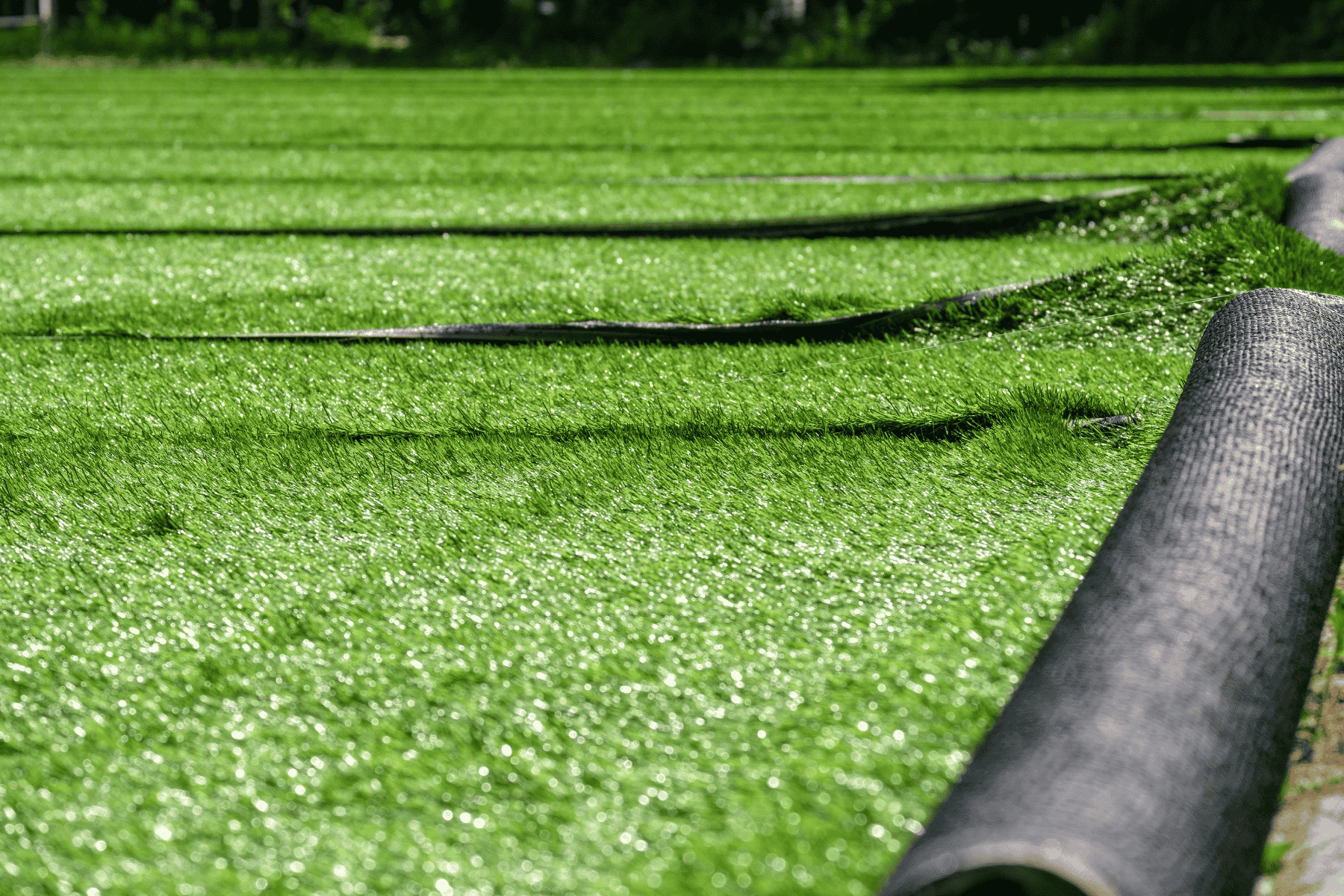
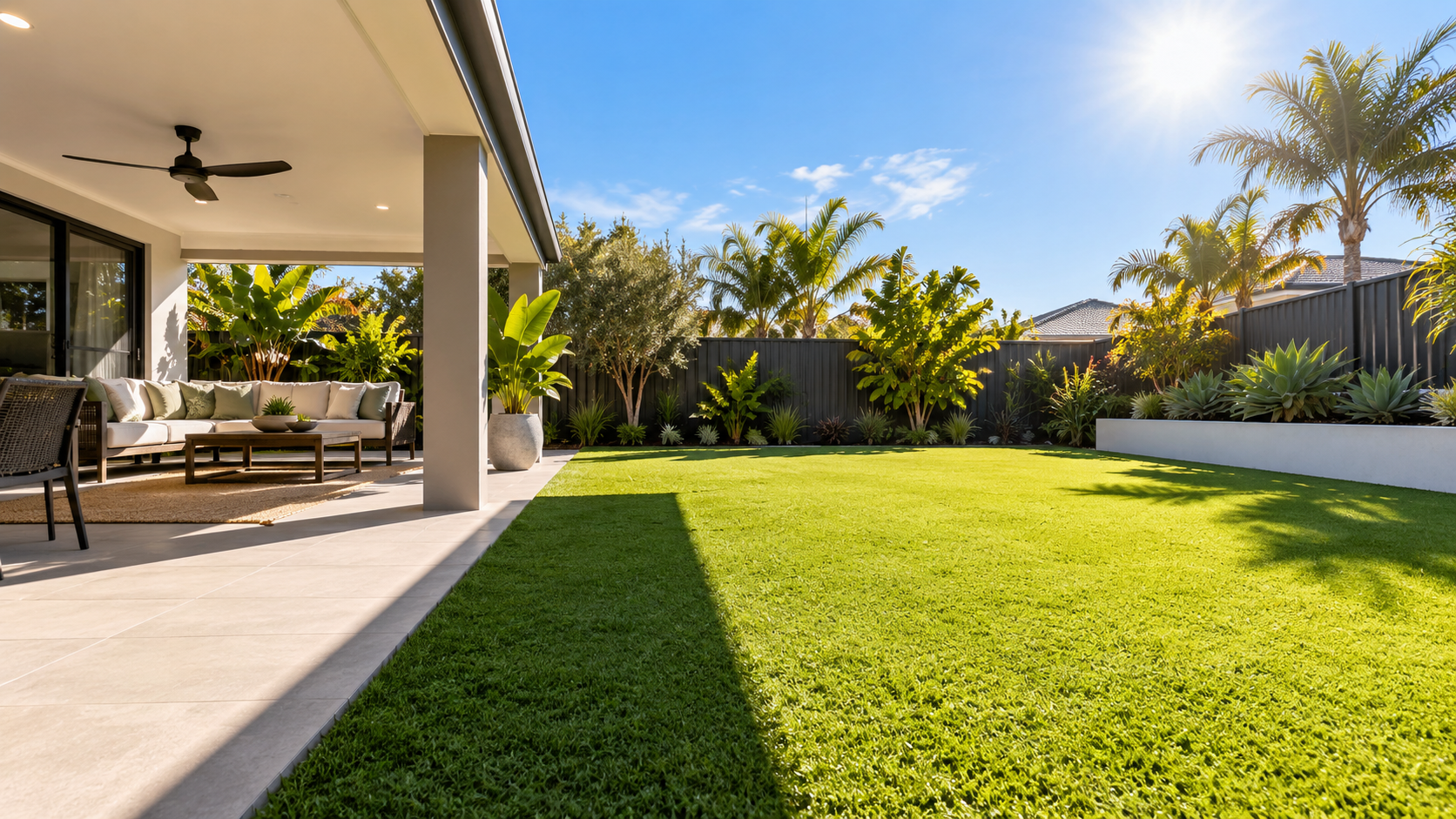
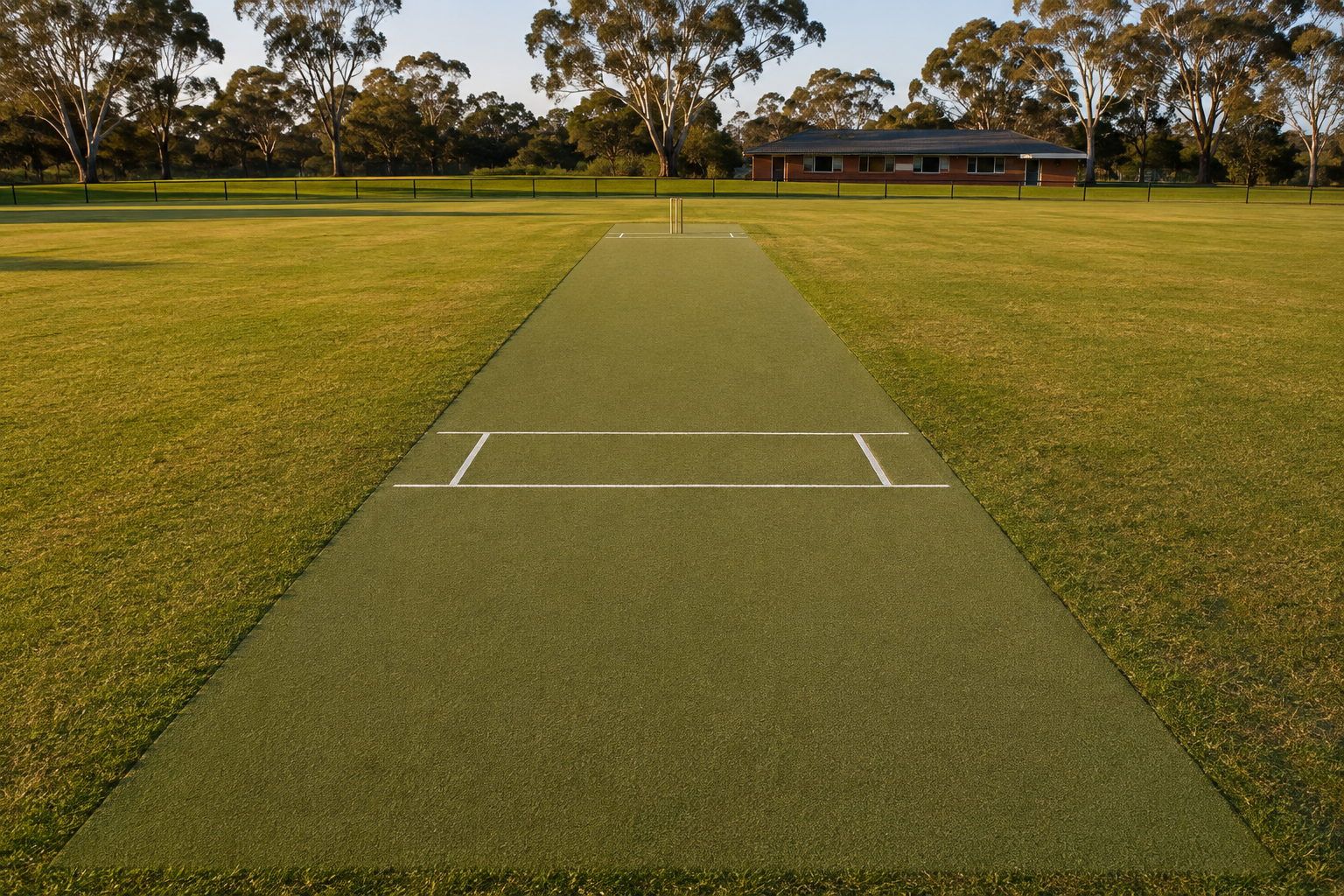
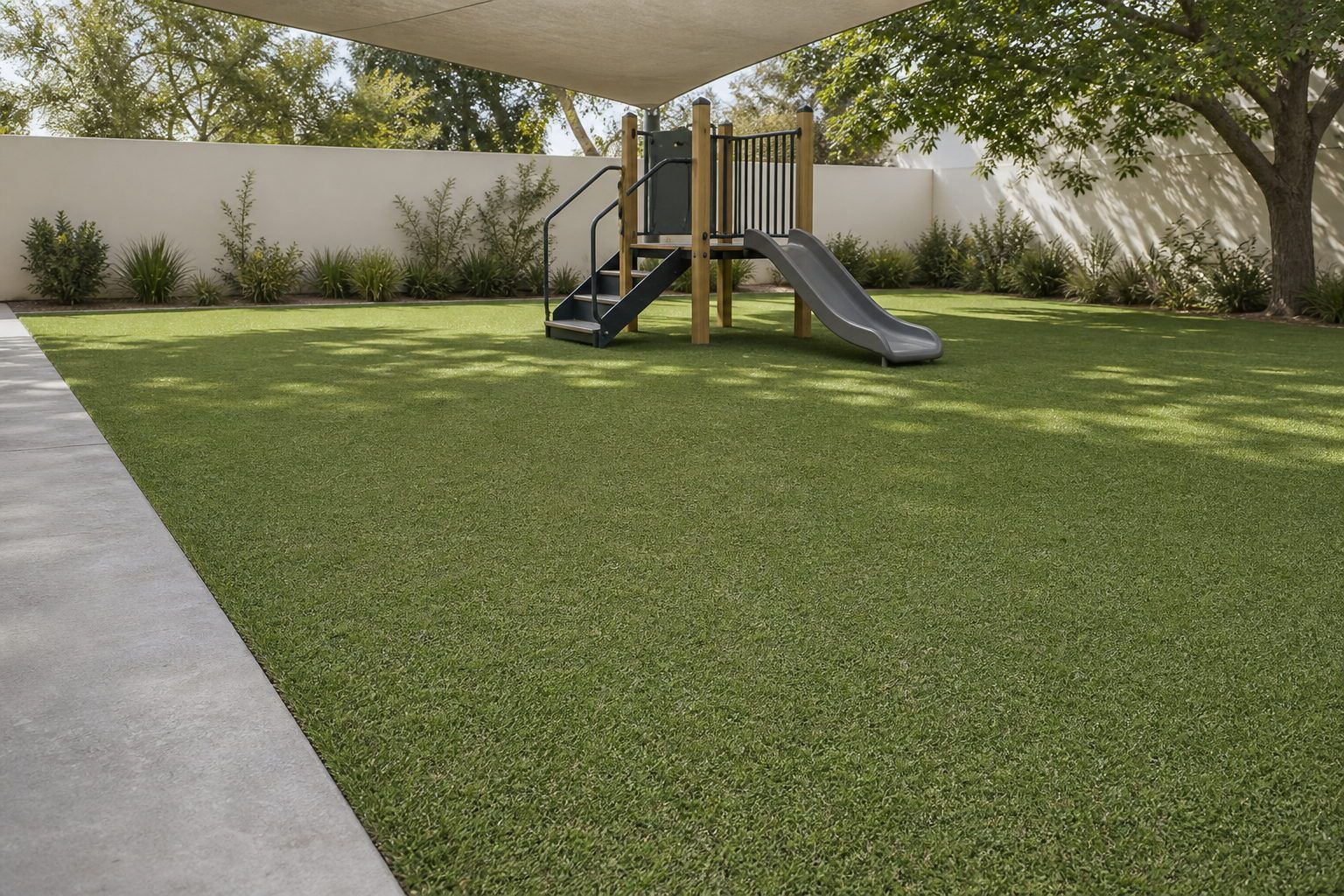
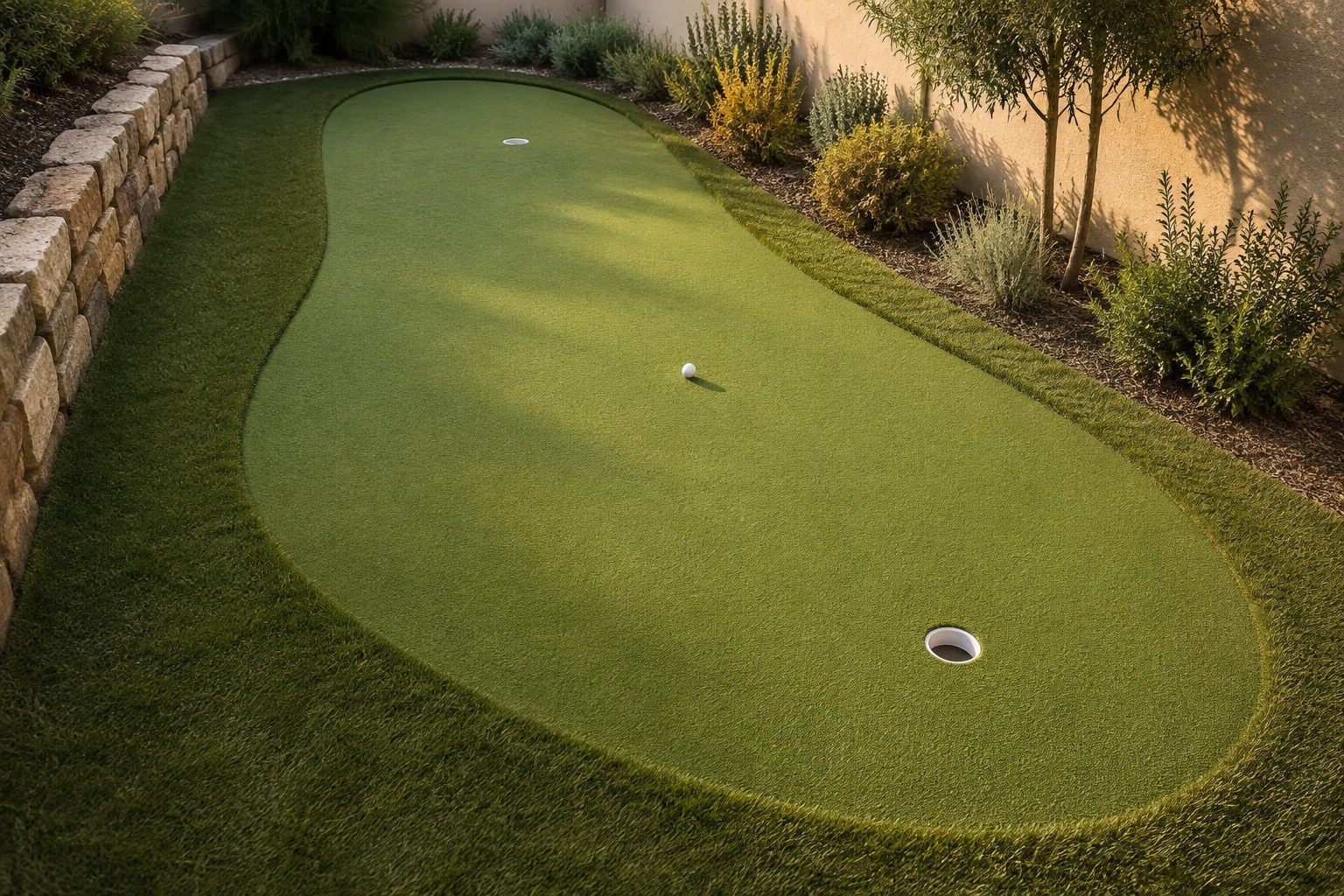
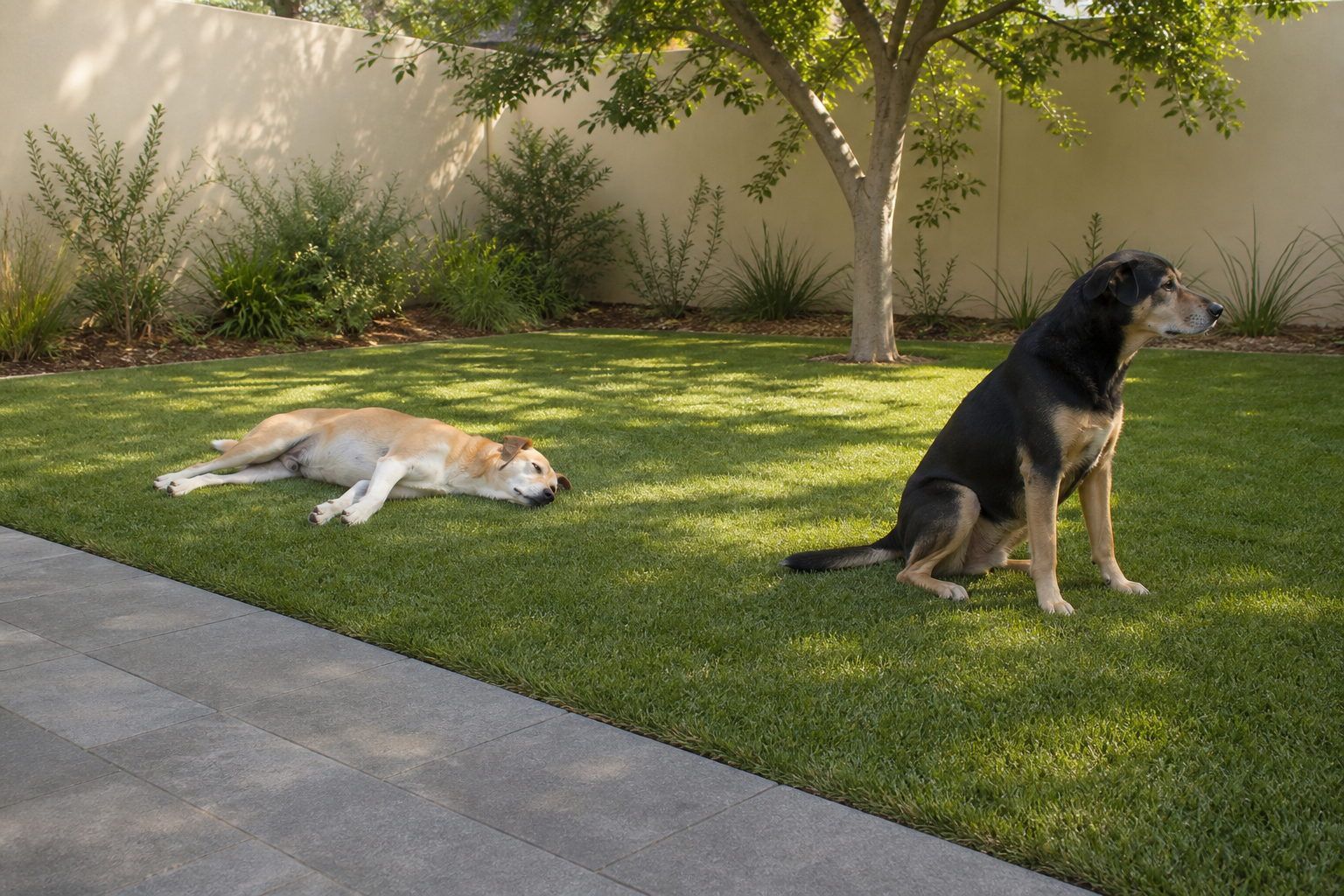
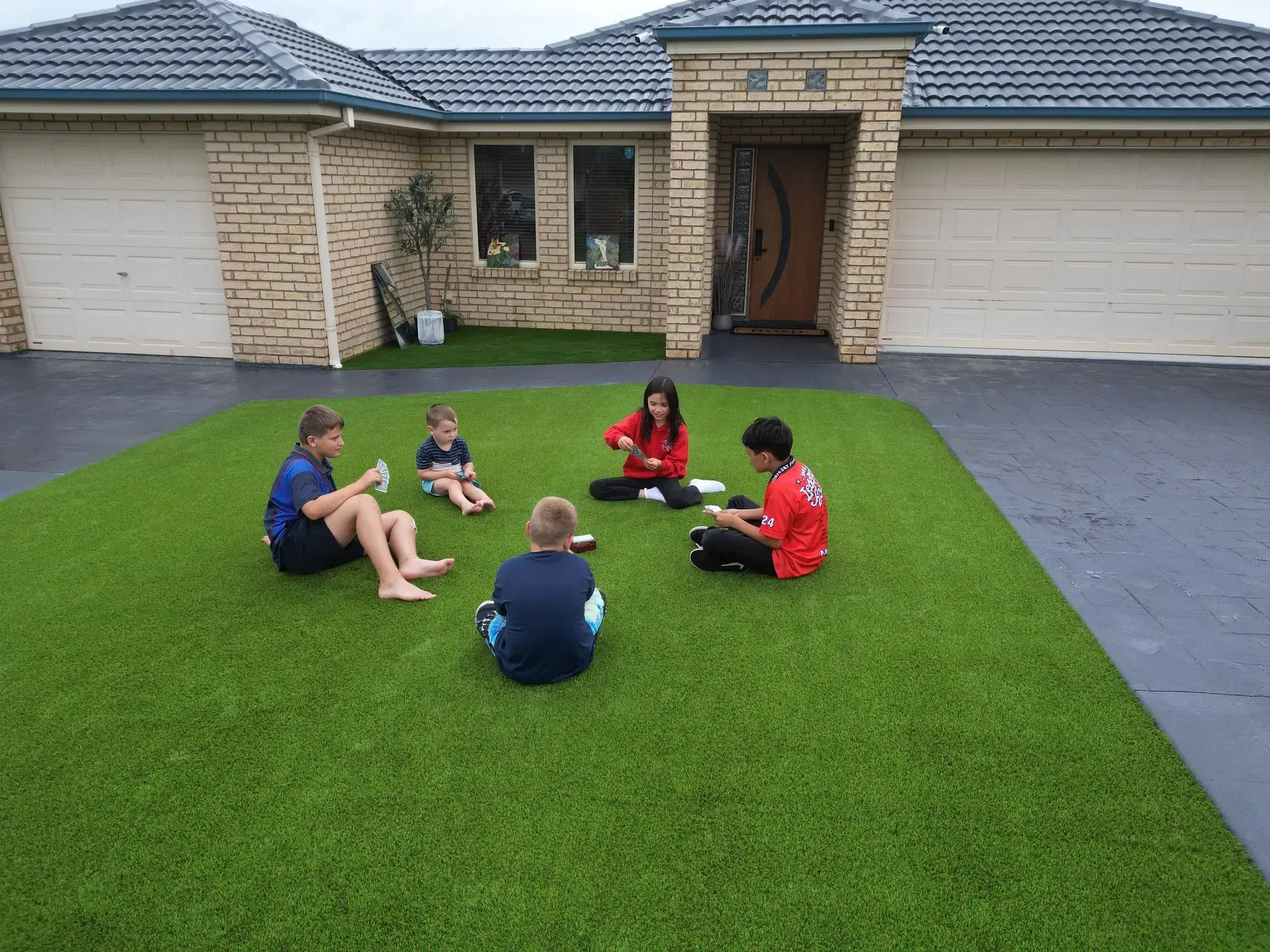
Synthetic grass installation in Sydney replaces a natural lawn with professionally fitted artificial turf. It provides a durable, low-maintenance, and visually appealing outdoor surface.
This solution suits residential and commercial properties across New South Wales. In addition, homeowners, businesses, schools, and property managers increasingly choose synthetic turf to maintain a green, neat lawn year-round.
For more context on artificial turf quality, check out the
previous synthetic grass-related blog post.
What Is Synthetic Grass Installation and How Does It Transform Outdoor Spaces?
Synthetic grass installation replaces a natural lawn or bare ground with high-quality artificial turf. The surface closely mimics real grass while eliminating the need for mowing, watering, or fertilising.
For Sydney homeowners and commercial managers, this creates neat, functional outdoor areas year-round. Beyond aesthetics, artificial turf fundamentally changes how families, pets, and visitors use outdoor spaces comfortably year-round.
Understanding the Process Behind Professional Synthetic Grass Installation
Professional installation improves the quality, longevity, and performance of artificial turf. A qualified installer brings the tools, materials, and expertise needed to prepare the surface, ensure proper drainage, and lay the turf flat and secure.
Cutting corners during installation can lead to problems such as poor drainage, uneven surfaces, and premature wear.
A professional
synthetic grass installation in Sydney typically follows these key steps:
- Site inspection and planning: Assess the area, drainage, and client goals.
- Removal of existing grass and debris: Clear the lawn, weeds, rocks, and other materials.
- Ground preparation and levelling: Grade the base to prevent pooling and ensure stability.
- Drainage and base installation: Lay compacted rock or aggregate for proper water flow.
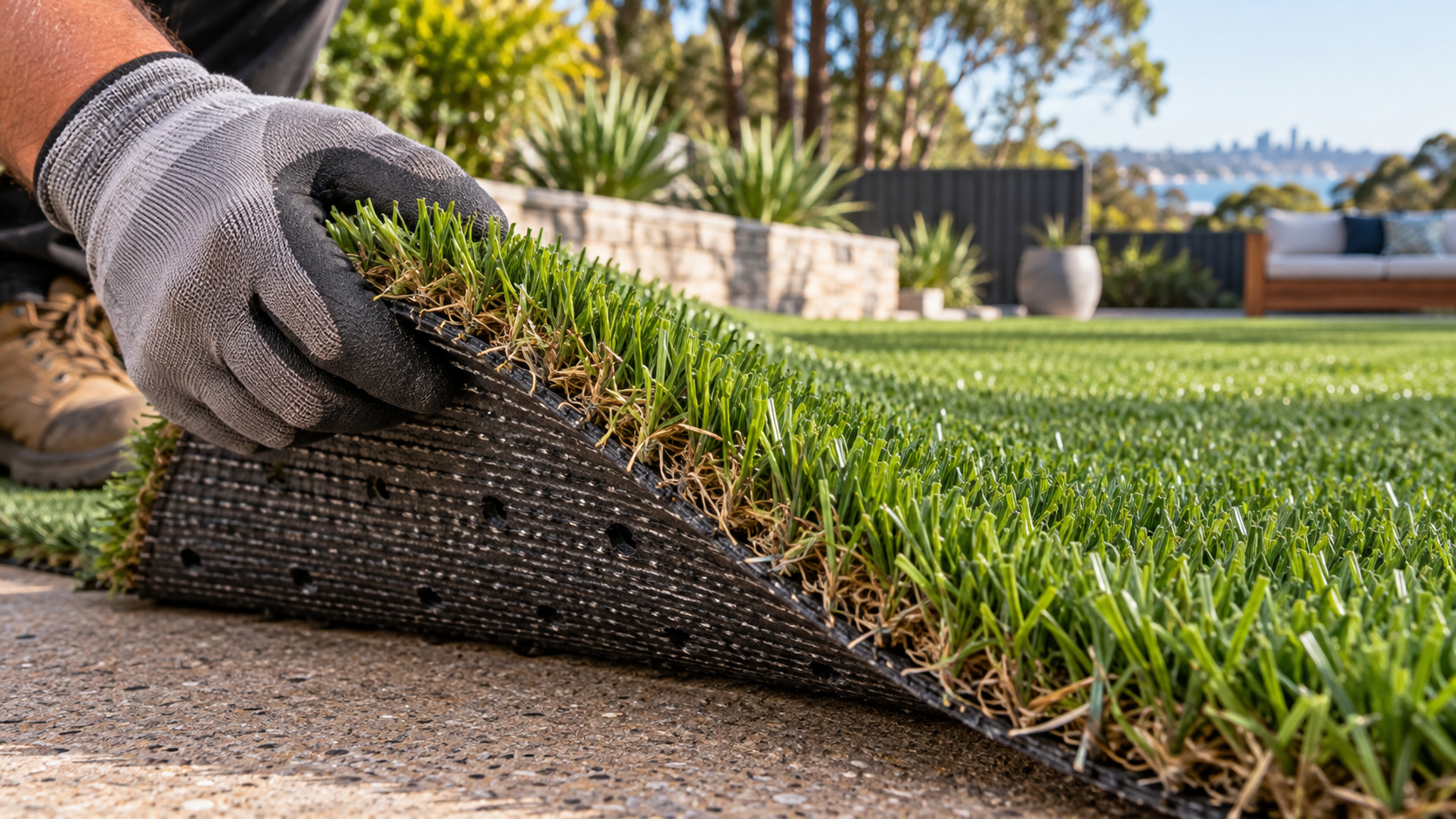
- Laying and securing turf: Cut, fit, and secure edges and seams using nails, adhesive, or both.
- Brushing and finishing touches: Stand fibres upright and add infill for a natural appearance.
Proper ground preparation ensures even performance over the turf’s lifetime.
Key Benefits of Synthetic Grass Installation for Homes and Commercial Properties
Synthetic grass installation offers a practical, cost-effective alternative to a natural lawn for residential and commercial properties.
Benefits include:
- Minimal watering requirements — reduces irrigation needs and supports NSW Government Water Saving Resources.
- Low maintenance — no mowing, fertilising, or pest control required.
- Consistent appearance year-round.
- Durable, long-lasting surface suitable for heavy foot traffic.
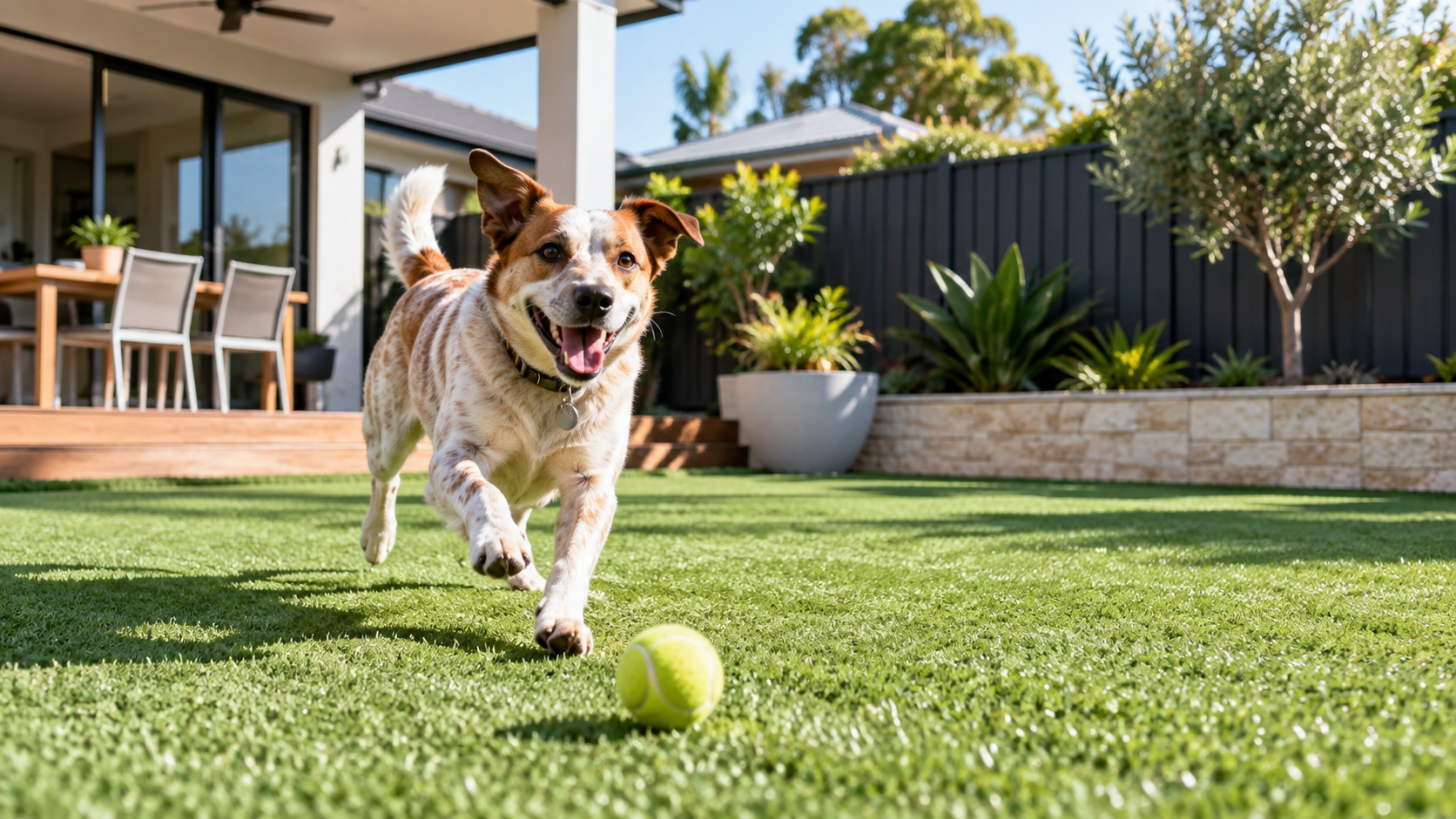
- Safe and hygienic for children and pets.
- Reduces water and chemical use, supporting sustainable landscaping principles outlined on
YourHome.gov.au and
by Landscape Australia.
Homeowners can explore the
Urban Turf Solutions Range to find the ideal product for their property.
Over the long term, reduced expenditures on water, garden maintenance, and lawn treatments mean synthetic grass often pays for itself within a few years of installation.
From an environmental standpoint, eliminating the need for petrol-powered lawn mowers and chemical fertilisers also reduces the property’s overall environmental footprint, which aligns with the principles outlined in resources such as
YourHome.gov.au
on sustainable landscaping practices.
Common Steps Involved in a Successful Synthetic Grass Installation Project
Every successful synthetic grass installation project follows a structured process that takes the property from initial concept through to a completed, inspected surface.
Working through each stage methodically ensures the finished result meets the client’s expectations, performs well under real-world conditions, and delivers long-term performance throughout its expected lifespan.
A complete synthetic grass installation project typically progresses through these stages:
- Initial consultation: The installer meets with the client to understand the project goals, intended use of the space, and any site-specific challenges.
- Site measurement and assessment: The installer takes accurate measurements and assesses the condition of the existing surface, soil type, and drainage capacity.
- Product selection: The client selects an appropriate turf product based on pile height, colour, usage requirements, and budget. Manufacturers design different products for specific purposes, such as sports surfaces, pet areas, or decorative landscaping.
- Surface preparation: The installation team removes existing lawn, weeds, and debris, then levels and compacts the ground before adding appropriate base materials and drainage layers.
- Turf installation: Installers cut, lay, join, and secure the synthetic turf firmly around the perimeter
- Quality inspection: The installer reviews the finished surface to check for even seams, correct drainage fall, secure edges, and proper fibre direction.
- Project completion and handover: The client is walked through the completed installation and given care instructions to maintain the surface in good condition.
Choose turf based on usage, location, and aesthetic requirements. Sports turf may not suit a residential lawn, and vice versa.
Professional installers assess the site and recommend products that balance performance, durability, and appearance. Careful workmanship and quality checks ensure the turf lasts for years.
Factors to Consider Before Choosing Synthetic Grass Installation Services
Choosing a synthetic grass installer directly affects the quality and longevity of your turf. Not all installers use the same standards, and not all synthetic turf products perform equally. Therefore, taking time to evaluate service providers helps property owners avoid costly issues and ensures the installation delivers long-term value.
Key factors to consider when selecting a synthetic grass installation service include:
- Experience and expertise: Look for an installer with a proven track record on residential, commercial, and specialised projects.
- Quality of synthetic turf products: Ask about the turf, including pile height, UV resistance, drainage, and backing.
Additionally, check if the product suits your property’s use.
- Drainage performance: A well-designed system prevents waterlogging and keeps the surface safe and clean.
- Warranty coverage: Reputable installers offer warranties for both the product and installation craftsmanship.
- Installation methods: Confirm base materials, edging, and seaming techniques.
- Maintenance requirements: Understand how to care for the turf over time.
- Budget and project scope: Request an itemised quote covering site preparation, materials, labour, and any extras such as edging or drainage upgrades.
Installation quality greatly affects the turf’s longevity and performance. If the base is poorly prepared, it can result in uneven surfaces, poor drainage, and premature wear.
Turf products also differ in fibre type, density, pile height, and durability, which influence the surface’s look and feel. Experienced installers from the
Urban Turf Solutions Range match the right product to each project, ensuring a practical and visually appealing result.
For additional guidance on sustainable landscaping and outdoor standards, refer to
Landscape Australia and
Standards Australia.
Synthetic Grass vs Natural Grass
- Water usage: Synthetic Grass: None after installation
- Natural Grass: Regular irrigation required
- Maintenance Synthetic Grass: Minimal (occasional brushing and rinsing)
- Natural Grass: Mowing, edging, fertilising, and pest control are required regularly
- Appearance Synthetic Grass: Consistent colour and texture year-round
- Natural Grass: Varies with season, weather, and foot traffic
- Durability: Synthetic Grass: 10 to 15 years or more with proper installation
- Natural Grass: Prone to wear, patching, and replacement over time
- Weed growth: Synthetic Grass: Suppressed by the base layer and turf backing
- Natural Grass: Regular weeding required
- Suitability for high traffic. Synthetic Grass: Excellent, designed for heavy-use areas
- Natural Grass: Can be thin, compact, and deteriorate quickly
- Long-term costs: Synthetic Grass: Higher upfront cost, lower ongoing costs
- Natural Grass: Lower upfront cost, higher ongoing maintenance and water expenses
Why Synthetic Grass Installation Is a Smart Investment
Synthetic Grass Installation in Sydney is a practical, low-maintenance solution for outdoor spaces that look great and perform well. Whether for a residential backyard, commercial courtyard, school playground, or poolside area, professionally installed turf remains durable and attractive year-round.
The low-maintenance benefits save time and money, while the water-saving features align with NSW Government Water-Saving Resources. Over time, the combination of reduced maintenance, no irrigation, and long-lasting turf makes synthetic grass a financially sound investment for residential and commercial properties.
Professional installation is essential. The right installer, turf product, and preparation process ensure optimal performance throughout the lawn's lifespan.
If you are ready to upgrade your property, speak with an experienced installation specialist today or explore the
Urban Turf Solutions Range for guidance.
Frequently Asked Questions
What surfaces are suitable for synthetic grass installation?
Synthetic grass can be installed over a wide range of surfaces, including soil, concrete, pavers, timber decking, and compacted aggregate bases. The suitability of a surface depends on its condition, drainage capacity, and levelness. Most surfaces can be prepared adequately by an experienced installer. Common applications include residential lawns, commercial courtyards, rooftop terraces, balconies, pool surrounds, playground areas, and sports courts across Sydney and New South Wales.
How does synthetic grass installation work?
Synthetic grass installation begins with site assessment and planning, followed by clearing the existing lawn or surface material. The installation team then levels the ground and installs a compacted base layer to support drainage and provide stability. Installers may lay a weed barrier before rolling out the synthetic turf, cutting it to fit, and securing it along edges and seams. They then brush the turf fibres upright and apply infill material to complete the natural appearance of the finished surface.
How long does a synthetic grass installation project take?
The duration of a synthetic grass installation project depends on the area size and the complexity of the site preparation required. A standard residential backyard installation typically takes one to two days. Larger commercial or multi-zone projects may take several days to complete. Your installer will provide a clear timeline after the site assessment, taking into account any drainage work, edging requirements, or ground preparation challenges that may affect the overall schedule.
What are the benefits of synthetic grass installation?
The key benefits of synthetic grass installation include significantly reduced water consumption, elimination of regular mowing and fertilising, a consistent, attractive appearance year-round, and a surface that withstands heavy use without deteriorating quickly. Synthetic turf is also suitable for pets and children, and drains efficiently after rain. Over time, the reduced maintenance and water costs make it a cost-effective choice for both residential and commercial property owners in Sydney.
Does synthetic grass installation require ongoing maintenance?
Synthetic grass requires very little ongoing maintenance compared to a natural lawn. Routine care involves occasional brushing of the turf fibres to keep them upright, rinsing the surface to remove dust or debris, and removing any leaf litter or organic matter that accumulates. For pet areas, rinse the surface more frequently to maintain hygiene. There is no need for mowing, watering, fertilising, or pest control, which is one of the primary reasons synthetic turf has become so popular across residential and commercial properties throughout Sydney.