
Best Synthetic Grass for Childcare Centres in Australia
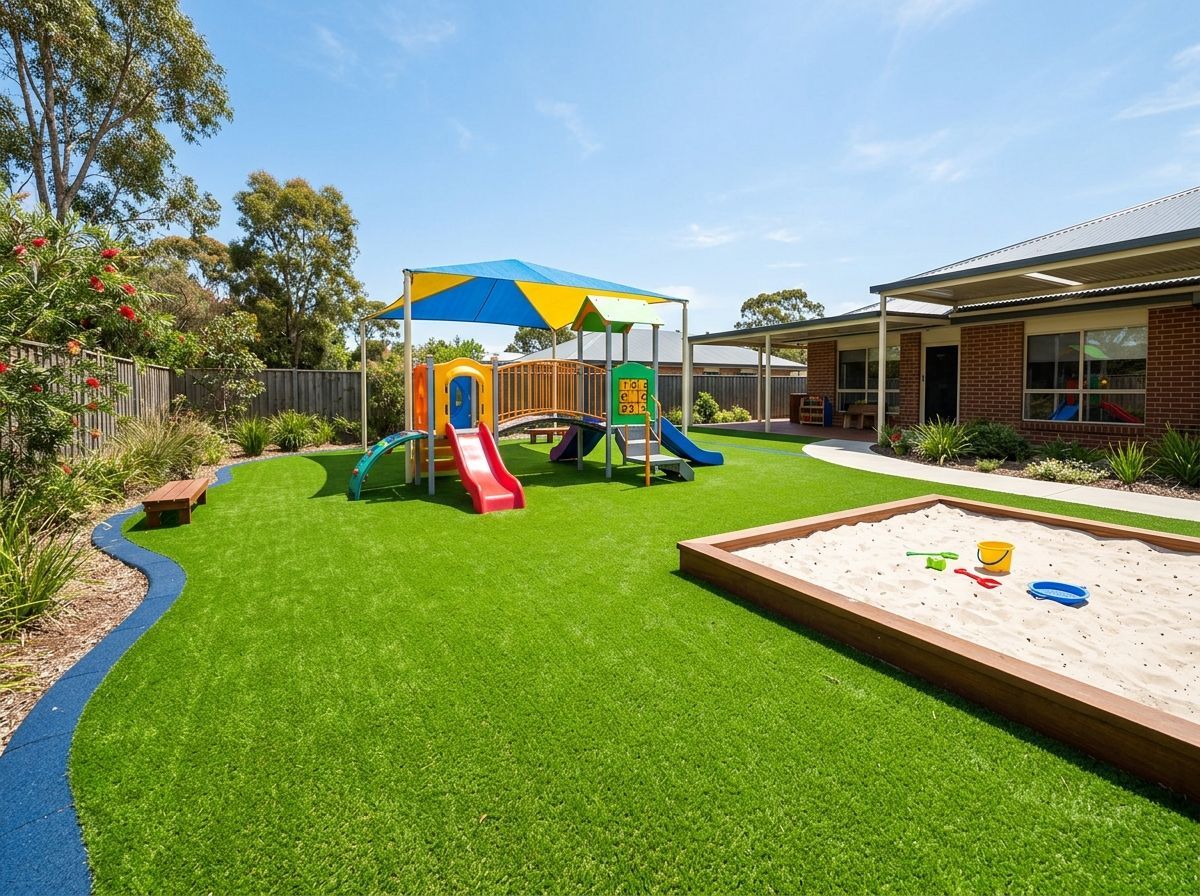
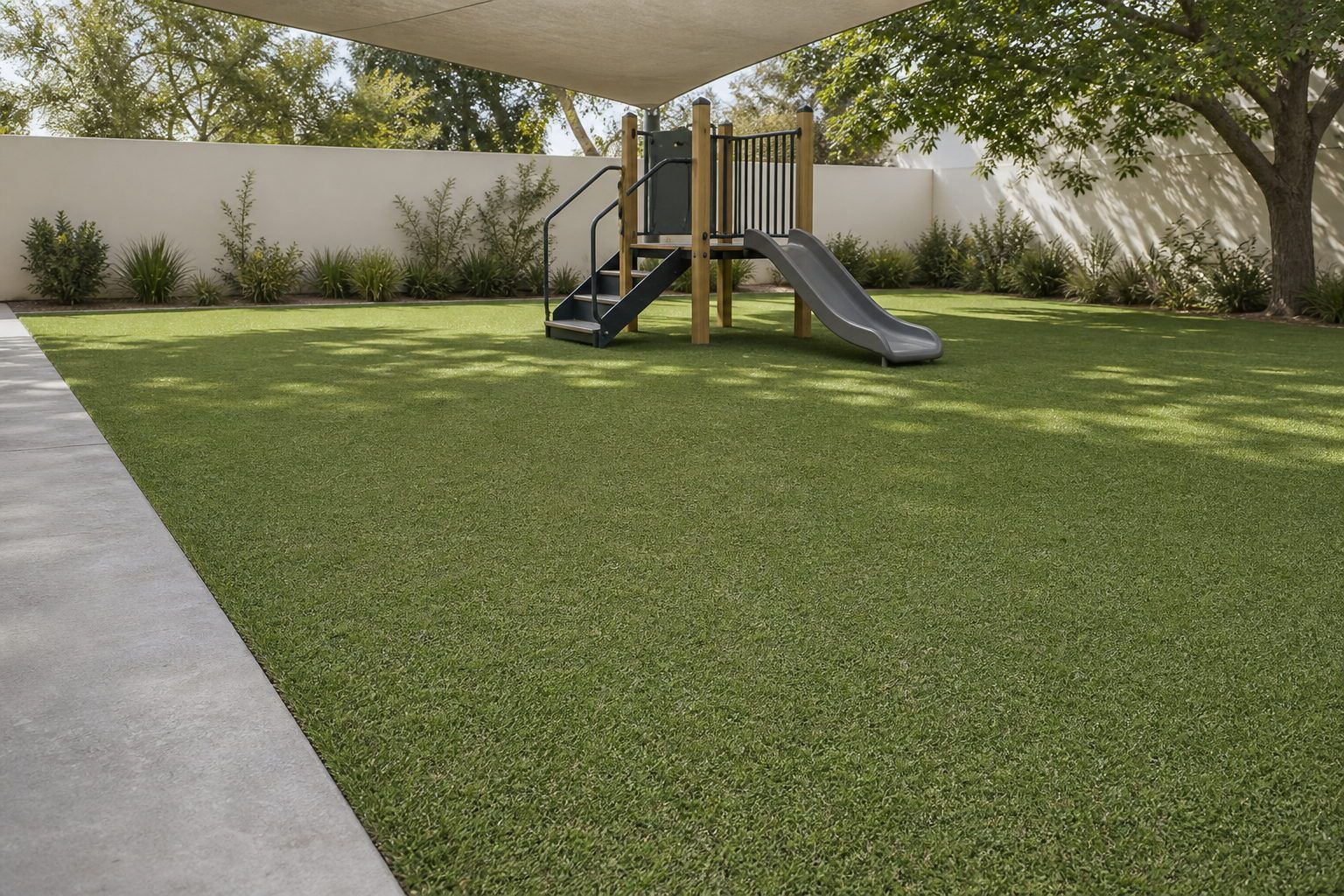
The best synthetic grass for childcare centres combines safety, durability, soft cushioning, and low maintenance to create reliable outdoor play environments for young children.
Purpose-designed childcare turf handles heavy daily use, resists UV degradation, and drains effectively after rain. These qualities make it highly suitable for active play environments across Australia while supporting compliance with childcare safety requirements.
What Features Should the Best Synthetic Grass for Childcare Centres Include?
Childcare environments demand far more from synthetic turf than residential or standard commercial applications. Children run, fall, and tumble, spending extended time on outdoor surfaces every day.
Standard landscape turf does not provide the structural integrity, softness, or safety performance that childcare operators require. Selecting purpose-built synthetic grass protects children, reduces liability, and supports consistent year-round outdoor play.
The best synthetic grass for childcare centres should include these key features:
- Soft and cushioned surface: Childcare turf requires fibres with adequate pile height and softness to reduce impact during falls and improve play comfort during crawling, rolling, and sitting activities.
- UV-resistant fibres: Australian sunlight is intense and prolonged. UV-stabilised fibres retain colour and structural integrity far longer, preventing premature degradation and keeping surfaces safe.
- Non-toxic materials: All fibres, backing materials, adhesives, and infill products must comply with recognised safety standards and contain no harmful chemicals, as children frequently come into direct contact with ground-level surfaces.
- Durable construction for heavy use: Commercial-grade turf with reinforced backing resists wear, deformation, and fibre loss far better than residential alternatives in high-traffic childcare areas.
- Effective drainage system: Proper water management prevents waterlogging, reduces slip hazards, and keeps surfaces accessible shortly after rain.
- Low-maintenance design: Turf products designed for straightforward upkeep reduce operational demands and keep ongoing costs manageable for busy childcare facilities.
- Compatibility with shock pad systems: High-quality childcare turf works with shock-absorbing underlay systems to meet the fall-height requirements of Australian playground safety standards.
Pile height between 30mm and 40mm typically offers the best balance of softness and durability for childcare applications. Heat reduction also matters in Australia’s climate. Products incorporating heat-reduction technology or lighter-coloured infill maintain safer surface temperatures for children playing barefoot.
Combining quality turf with a purpose-designed impact-absorbing underlay improves both safety performance and play comfort.
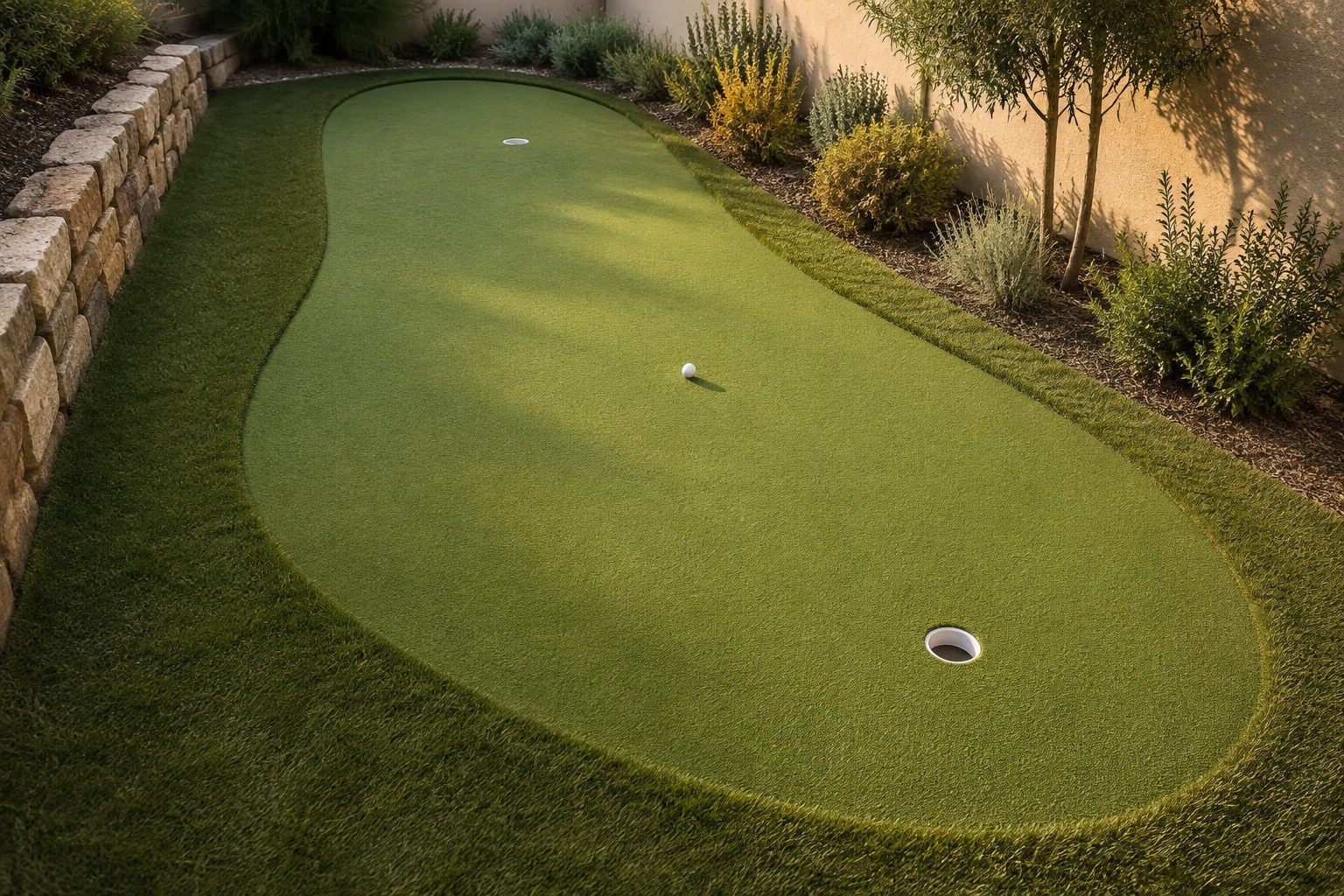
For centres looking to add educational or playful design elements, childcare centres can incorporate shapes, numbers, and activity zones directly into the surface.
How Do You Install Synthetic Grass Safely for Childcare Centres?
Professional installation determines how safely and effectively synthetic grass performs throughout its service life. Even high-quality turf for childcare will underperform if installers prepare the base incorrectly, overlook drainage, or skip essential steps.
Childcare operators should always engage experienced synthetic grass installers who understand the specific requirements of children’s play environments.
Safe installation of synthetic grass in a childcare centre involves these key steps:
- Site assessment and preparation: A thorough assessment identifies ground conditions, drainage patterns, and any existing play equipment that the installation must integrate with.
- Ground levelling and compaction: Installers level and compact the sub-base to create a stable, even foundation. An uneven base creates trip hazards and accelerates uneven wear over time.
- Drainage installation: A properly designed drainage layer allows water to drain quickly, preventing pooling and reducing slip risk after rainfall.
- Shock pad installation where required: Where playground equipment is present, installers fit purpose-designed shock-absorbing underlay to meet the critical fall-height requirements of Australian playground safety standards.
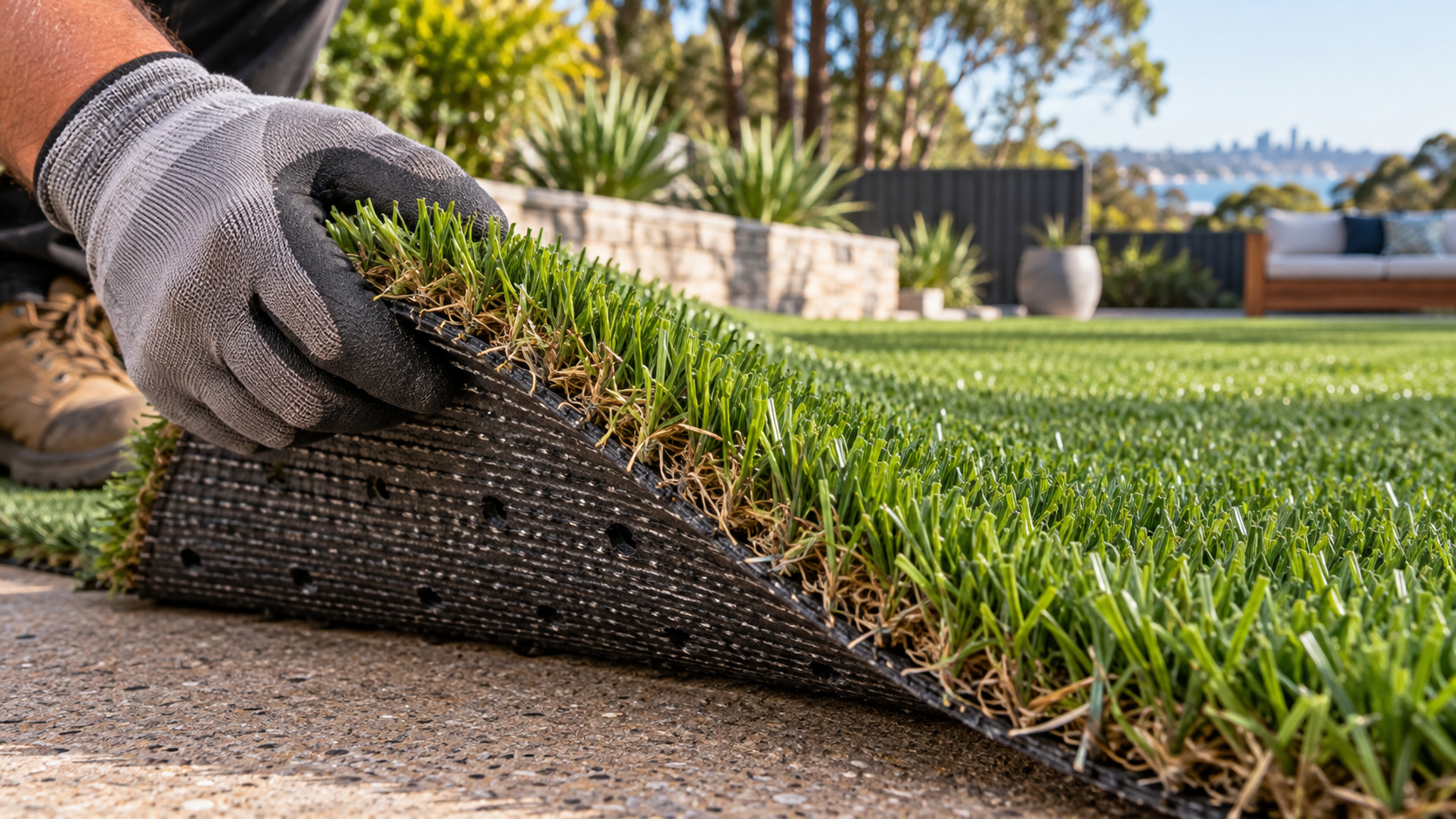
- Synthetic grass placement and securing: Installers cut and lay turf carefully, securing edges firmly to prevent lifting or displacement from active play.
- Seam joining and finishing: Seams must be carefully joined to remain invisible and structurally sound. Poorly joined seams create trip hazards and accelerate wear at vulnerable points.
- Safety inspections and testing: A thorough post-installation inspection confirms that surfaces meet required safety standards, fall-height ratings, and drainage performance before children access the area.
Common installation mistakes include inadequate base compaction, insufficient drainage, poorly joined seams, and missing shock pad systems in equipment zones.
For detailed guidance, refer to our guide on
how to install synthetic grass in Sydney.
Professional installers bring specialist equipment, product knowledge, and accountability that DIY approaches cannot match. The teams behind
residential artificial grass installation in NSW and
commercial artificial grass installation in NSW understand these requirements across a broad range of environments.
Why Is Synthetic Grass a Popular Choice for Childcare Centres in Sydney?
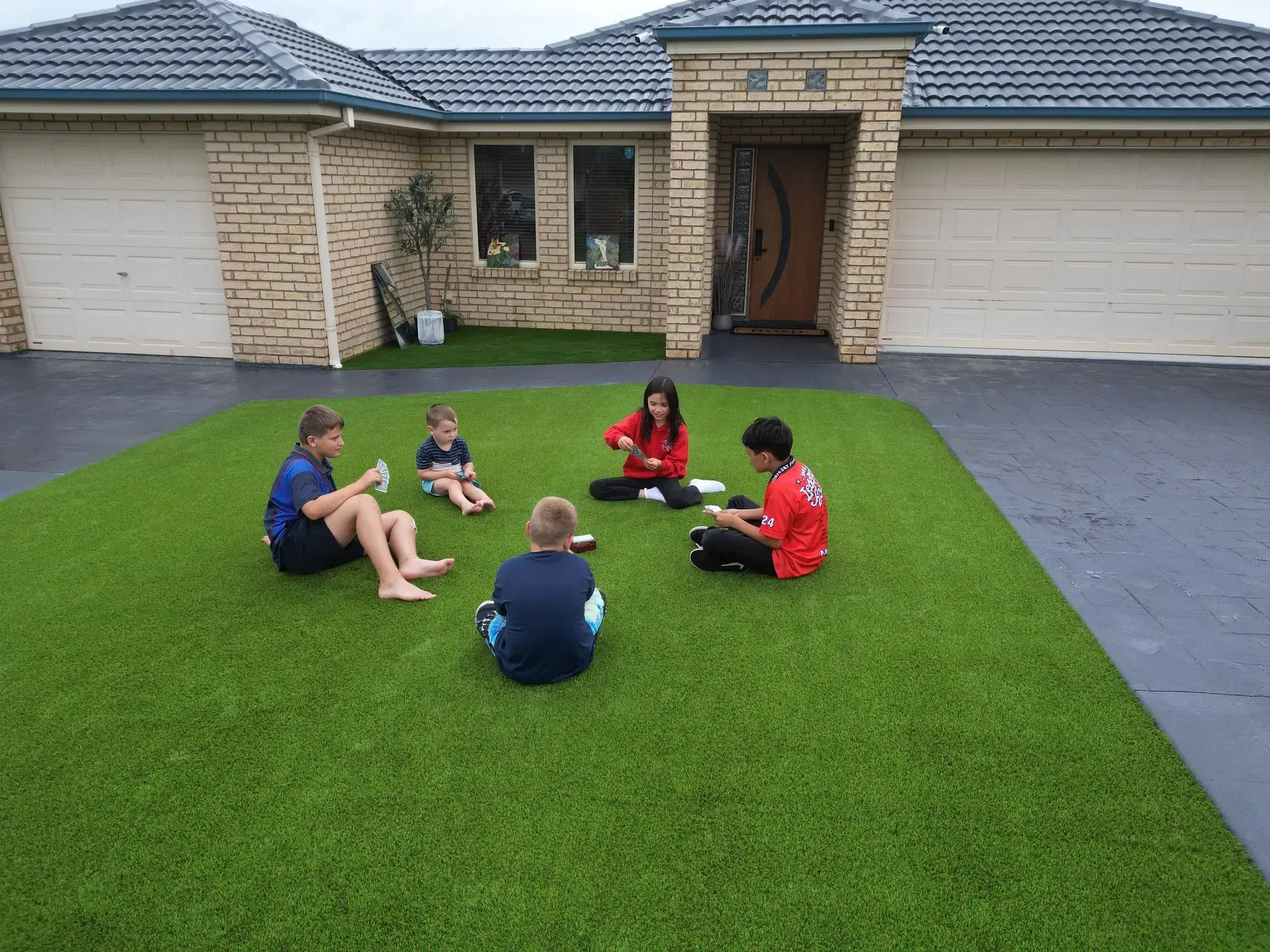
Synthetic grass has become a widely adopted surface solution for childcare centres throughout Sydney and across New South Wales. Operators consistently choose synthetic turf over natural grass because it delivers reliable performance in demanding conditions while reducing ongoing costs and maintenance effort.
Natural grass deteriorates rapidly under concentrated foot traffic. Worn patches, muddy zones, and uneven surfaces develop within weeks of the start of the term. Synthetic turf maintains consistent surface quality regardless of use frequency, improving play experiences and reducing safety risks.
Sydney’s variable rainfall compounds this, rendering natural grass unusable for extended periods after heavy rain. Synthetic grass with proper drainage allows children to return to the outdoors much more quickly, keeping daily programs on track.
Water conservation is a growing priority for Australian childcare facilities. Synthetic grass eliminates irrigation requirements almost entirely, reducing water consumption and costs while supporting the shift toward sustainable landscaping in early education settings.
Explore how synthetic grass installation in NSW supports better outdoor environments across the state.
What Safety Standards Should the Best Synthetic Grass for Childcare Centres Meet?
Safety compliance is non-negotiable when selecting synthetic grass for childcare centres. Australian childcare regulations and national playground safety standards set clear expectations for outdoor surfaces.
Selecting products that meet or exceed these standards protects children, supports regulatory compliance, and gives operators greater confidence in the surfaces they install.
The best synthetic grass for childcare centres should meet these safety requirements:
- Fall-height compliance: Turf systems must achieve the critical fall-height rating for the play equipment within the area. Standards Australia publishes AS 4422 and AS/NZS 4486.1, which define impact attenuation requirements for playground surfacing.
- Shock absorption performance: Impact attenuation testing verifies that the turf and underlay system absorbs sufficient energy during a fall to reduce the risk of serious injury.
- Non-toxic materials: All components, including fibres, backing, adhesives, and infil,l must be free from substances harmful to children, with third-party material safety certification preferred.
- UV stability: Adequate UV resistance prevents fibre degradation that could create sharp edges or surface irregularities over time.
- Slip resistance: Turf surfaces must provide adequate grip in both dry and wet conditions to reduce fall risk during active play.
- Drainage performance: Effective drainage prevents water pooling that creates slip hazards and unusable play conditions.
- Product warranties and certifications: Quality products carry manufacturer warranties and independent certifications that confirm performance claims.
Kidsafe Australia provides guidance on playground safety and injury prevention for children's outdoor environments. ACECQA sets quality standards for early childhood education and care, including expectations for safe outdoor play spaces.
Safe Work Australia provides broader workplace safety guidance relevant to childcare facility management.
Childcare operators should always request documented impact attenuation test results when assessing turf products, rather than relying solely on specifications.
How Do You Maintain the Best Synthetic Grass for Childcare Centres After Installation?
Ongoing maintenance keeps synthetic grass performing safely, looking presentable, and lasting as long as possible. While synthetic turf requires significantly less upkeep than natural grass, a structured routine remains essential.
Neglecting maintenance in a childcare setting can reduce surface safety, shorten turf lifespan, and create conditions that require costly early replacement.
A practical maintenance routine for childcare synthetic grass includes these tasks:
- Regular debris removal: Remove leaves, food scraps, bark, and sand regularly using a leaf blower, stiff brush, or turf rake to protect drainage and prevent staining.
- Brushing turf fibres: Regular brushing with a stiff brush or power broom keeps fibres upright and counteracts compaction in high-use zones.
- Cleaning spills and stains: Address food, drink, sunscreen, and paint spills promptly using mild, turf-safe cleaning solutions, then rinse thoroughly with clean water.
- Inspecting seams and edges: Check seams, perimeter edges, and anchoring points regularly for lifting or damage. Early detection prevents hazards and avoids more extensive repairs.
- Monitoring drainage performance: Observe drainage speed after rainfall or cleaning, and clear any blockages promptly to maintain safe, usable conditions.
- Scheduled professional inspections: Arrange periodic professional assessments to identify issues that routine checks may miss and confirm ongoing safety compliance.
High-traffic zones beneath climbing structures and at slide landings experience far greater wear than surrounding areas. Brushing these zones more frequently and monitoring infill levels helps distribute wear more evenly and extend the surface’s lifespan.
Natural grass requires mowing, fertilising, watering, aerating, and re-turfing throughout the year. Synthetic turf eliminates most of these costs while delivering a consistently usable surface.
How Long Does Synthetic Grass Last in Childcare Centres?
Commercial-grade synthetic grass in childcare centres typically delivers a service life of approximately 10 to 15 years or longer when properly installed and maintained.
Installation quality plays the most significant role. A correctly prepared base, adequate drainage, and professionally joined seams all contribute directly to long-term performance. Turf installed over an inadequate base deteriorates more quickly and develops surface irregularities that pose safety concerns.
UV-resistant fibres maintain structural performance under prolonged exposure to the Australian sun. Products without adequate UV stabilisation can become brittle or discoloured well before their expected service life ends, creating safety risks and requiring earlier replacement.
Consistent maintenance practices extend lifespan meaningfully. Regular brushing, debris removal, prompt stain treatment, and periodic professional inspections all preserve fibre integrity and drainage performance over time.
Indicators that replacement may be needed include significant fibre thinning, loss of cushioning, persistent drainage problems, or widespread seam failures. When these signs appear, a professional assessment will determine whether repair or full replacement offers the most cost-effective outcome.
Synthetic Grass vs Natural Grass for Childcare Centres
- Maintenance
Synthetic Grass: Low
Natural Grass: High - Water Usage
Synthetic Grass: Minimal
Natural Grass: High - Mud Formation
Synthetic Grass: None
Natural Grass: Common - Play Availability
Synthetic Grass: Year-round
Natural Grass: Weather dependent - Surface Consistency
Synthetic Grass: Consistent
Natural Grass: Variable - Durability
Synthetic Grass: High
Natural Grass: Moderate - Appearance
Synthetic Grass: Uniform
Natural Grass: Seasonal changes
Ready to Install the Best Synthetic Grass for Childcare Centres?
The best synthetic grass for childcare centres combines safety, durability, play comfort, and low maintenance in a single, reliable surface solution. Choosing certified products, engaging professional installers, and committing to a structured maintenance routine all protect children and deliver long-term value for childcare facilities.
Synthetic grass is a sound long-term investment in better outdoor environments for young children. Facilities that combine quality products with professional installation and consistent maintenance routinely achieve 10 to 15 years or more of reliable surface performance.
Ready to take the next step? Explore theUrban Turf Solutions Range, review Commercial Artificial Grass Installation in NSW solutions, and request a professional site assessment from experienced synthetic grass specialists who understand Australian childcare safety requirements.
Frequently Asked Questions
What is the best synthetic grass for childcare centres?
The best synthetic grass for childcare centres uses UV-resistant, non-toxic fibres with soft cushioning and a pile height of 30-40mm. It pairs with an impact-absorbing shock pad underlay to meet fall-height requirements under Australian playground safety standards. Commercial-grade construction, effective drainage, and documented safety certifications are essential features for any childcare application.
Why do childcare centres choose synthetic grass instead of natural grass?
Childcare centres choose synthetic grass because it delivers consistent, safe, usable outdoor surfaces year-round without the mud, wear, irrigation, mowing, or weather downtime that natural grass requires. Synthetic turf handles heavy daily foot traffic far better than natural grass and remains accessible shortly after rainfall, keeping outdoor programs running smoothly and significantly reducing operational maintenance costs.
Is synthetic grass safe for childcare centres?
Yes, quality synthetic grass is safe for childcare centres when it meets Australian safety standards. Safe products use non-toxic fibres and backing materials, achieve certified impact attenuation ratings when paired with appropriate shock pads, provide adequate slip resistance in wet and dry conditions, and drain effectively. Childcare operators should request documented safety certifications and impact test results before purchasing any turf product.
How long does synthetic grass last in childcare centres?
Commercial-grade synthetic grass in childcare centres typically lasts approximately 10 to 15 years or longer with proper installation and maintenance. Installation quality, UV fibre stability, the intensity of daily use, and consistent maintenance routines all influence lifespan. Facilities that invest in professional installation and structured maintenance schedules reliably achieve the longer end of this expected service range.
How do you maintain synthetic grass in a childcare centre?
Maintaining synthetic grass in a childcare centre involves regularly removing debris, frequently brushing to keep fibres upright, promptly cleaning spills with turf-safe products, regularly inspecting seams and edges, and monitoring drainage performance after rainfall. High-traffic zones require more frequent brushing to prevent compaction. Scheduling periodic professional inspections ensures developing issues receive attention before they become safety concerns.
Recent Posts