
Installing artificial grass around a pool can create an attractive, low-maintenance outdoor space when the turf and installation are suited to the environment. Pool owners should compare wet-slip resistance, drainage, chlorine compatibility, UV stability, and surface heat before choosing a product. Artificial grass may suit landscaping and relaxation zones, while purpose-designed paving can remain preferable around heavily used pool access areas.
Artificial grass provides a green finish without the need for regular mowing or fertilising. It can also reduce the mud and grass clippings carried into swimming pools. However, pool surrounds experience frequent splashing, bare feet, direct sunlight and chemical exposure. These conditions require more careful product selection than an ordinary backyard lawn.
Before choosing residential artificial grass solutions, homeowners should understand the safety, maintenance and installation requirements of their pool area.
Is Artificial Grass a Good Choice for Areas Around Swimming Pools?
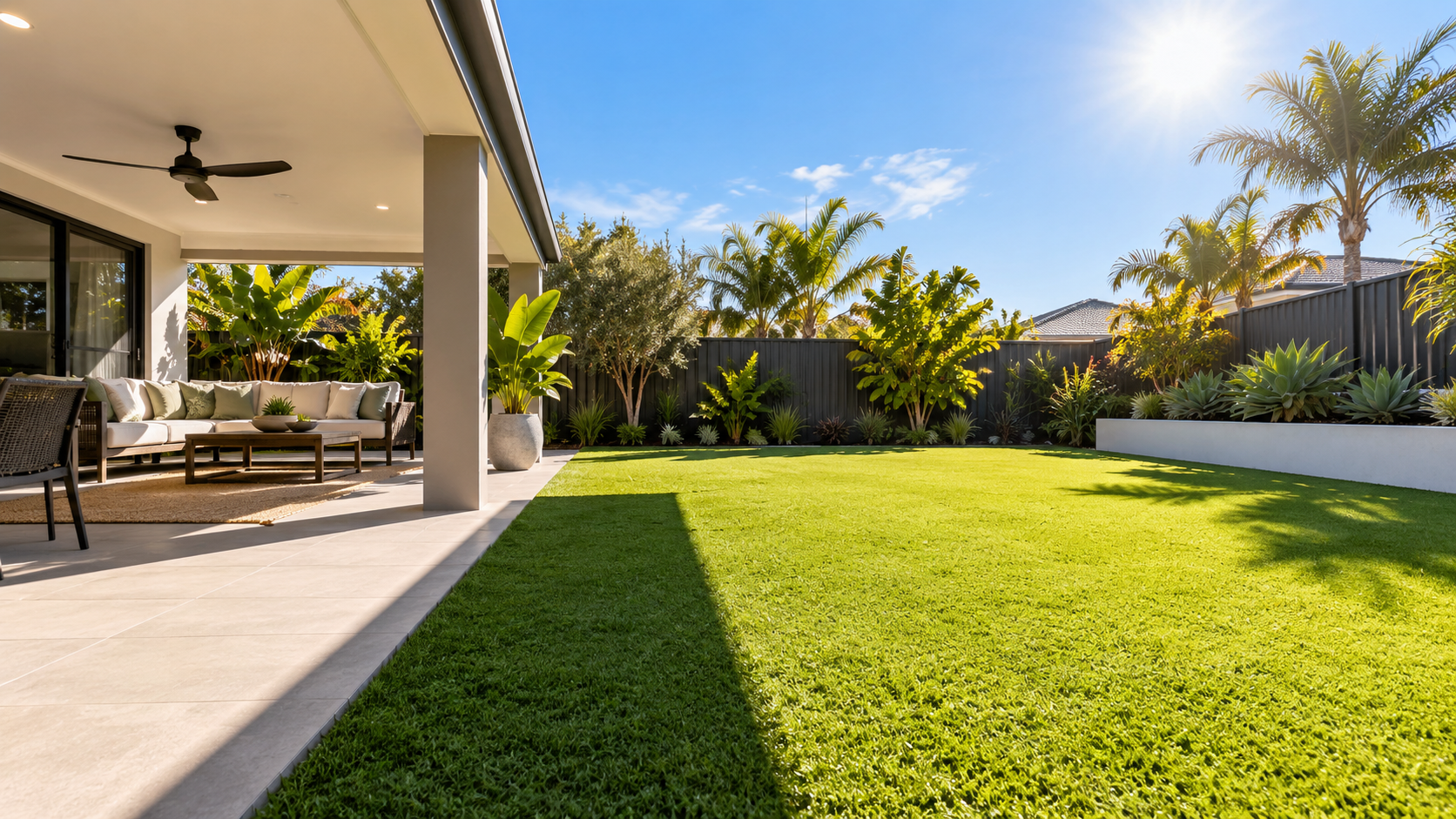
Artificial grass can be suitable around residential swimming pools, particularly in landscaping areas, outdoor seating zones and spaces where homeowners want an alternative to natural lawn. It provides a consistent appearance and reduces certain lawn maintenance tasks. However, synthetic turf is not automatically slip-resistant, chlorine-proof or comfortable underfoot during hot weather. The best layout depends on how each area is used.
Benefits of Artificial Grass for Pool Surrounds
- Consistent appearance: Maintains a green finish without seasonal mowing.
- Reduced maintenance: Eliminates the need for routine fertilising and lawn cutting.
- Softer landscaping: Offers a different underfoot feel from paving.
- Less mud: Helps reduce loose soil reaching the pool.
- Design flexibility: Complements garden beds, paths and seating areas.
- Routine cleaning: Suitable products can be brushed and cleaned following manufacturer instructions.
Limitations to Consider
Artificial grass also has practical limitations:
- Fibres can become hot in direct sunlight.
- Wet-surface grip differs between products.
- Chlorine compatibility needs confirmation.
- Poor drainage can cause persistent moisture.
- Leaves, sunscreen and other residue require cleaning.
- High-traffic pool access areas may need another surface.
Artificial Grass vs Hard Pool Surrounds
| Consideration | Artificial Grass | Hard Pool Surrounds |
|---|---|---|
| Appearance | Consistent green finish | Different colours and textures |
| Underfoot feel | Softness depends on construction | Depends on paving, decking or concrete |
| Maintenance | Brushing and debris removal | Material-specific cleaning |
| Heat | Can become hot in sunlight | Varies by material and colour |
| Drainage | Depends on backing and foundation | Depends on falls and drainage |
| Wet-surface safety | Requires product-specific assessment | Requires appropriate surface selection |
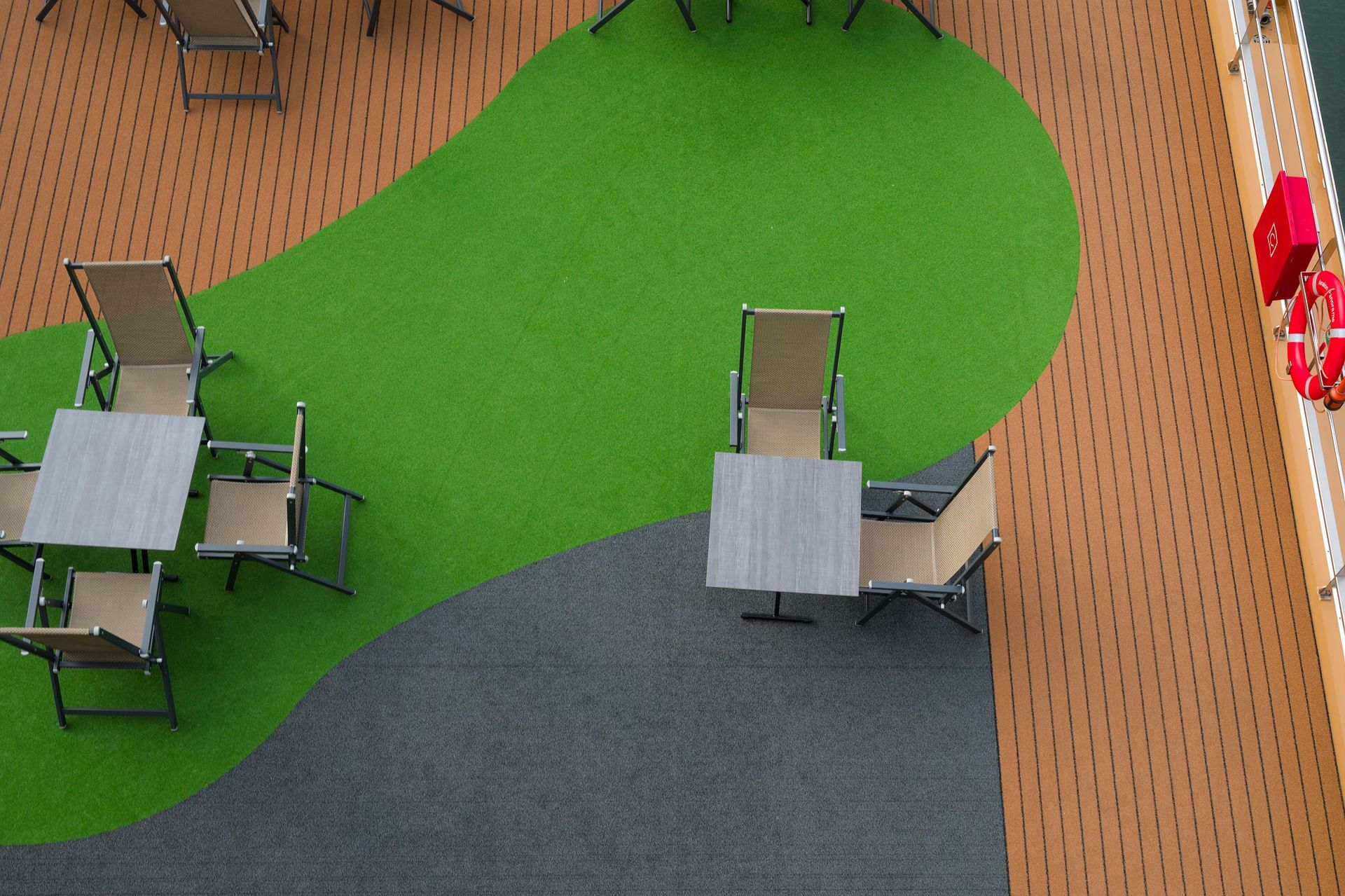
Artificial grass does not need to cover the entire pool surround. Combining turf in landscaping zones with suitable paving around steps and pool entry points may provide a more practical arrangement.
A1SGS discusses artificial grass for residential outdoor spaces, including poolside applications. The priority should be to match each surface to its intended use rather than selecting a single material for the entire area.
What Type of Artificial Grass Is Best for Pool Surrounds?
The best artificial grass for pool surrounds is an outdoor-rated product with suitable drainage, documented UV stability and wet-surface performance appropriate to its intended location. Products designed for decorative indoor use may not withstand repeated exposure to moisture, sunlight, and outdoor foot traffic. Pile height, fibre density and backing construction influence appearance and maintenance; however, no individual feature guarantees poolside suitability.
Artificial Grass Features to Compare
| Turf Feature | What to Look For | Why It Matters |
|---|---|---|
| Fibre material | Outdoor-rated synthetic fibres | Weather suitability |
| Pile height | Short or medium pile suited to use | Cleaning and comfort |
| Fibre density | Appropriate construction for traffic | Surface resilience |
| Backing | Compatible drainage design | Water movement |
| UV resistance | Documented product specifications | Resistance to deterioration |
| Infill | Manufacturer-approved material | Fibre support where required |
| Wet slip performance | Relevant testing documentation | Suitability for pedestrian use |
How Do Pile Height and Density Affect Poolside Turf?
Shorter fibres can make leaves, dirt and sunscreen residue easier to remove. Medium-pile turf may offer a fuller lawn appearance, although fibre recovery and cleaning requirements depend on construction. Higher density does not automatically mean better drainage or wet grip.
For more information, see A1SGS’s guide to artificial grass types and pile heights.
Poolside Artificial Grass Selection Checklist
Before purchasing, ask:
- Is the turf intended for outdoor, moisture-exposed areas?
- Is its backing compatible with the proposed drainage system?
- Are UV-stability specifications available?
- Has the exact product undergone relevant wet slip-resistance testing?
- Is chlorine compatibility documented?
- How should the turf be cleaned and maintained?
- What installation materials and warranties apply?
Request samples and technical documentation. Samples help assess texture, colour and appearance. Technical information provides a better basis for evaluating wet-surface performance, product limitations and installation requirements. For pool surrounds, documented suitability matters more than appearance alone.
Is Artificial Grass Around a Pool Slip-Resistant and Safe When Wet?
Artificial grass around pool areas is not automatically slip-proof when wet. Grip depends on the turf’s construction, surface condition, installation and contaminants such as water, sunscreen or algae. A soft surface does not necessarily provide adequate traction for wet, barefoot use. Products that feel secure when dry may behave differently when repeatedly exposed to splashing and heavy foot traffic.
What Affects Wet-Surface Safety?
Several conditions can influence poolside grip:
- Fibre texture and construction
- Product-specific slip performance
- Surface contamination
- Loose joins and raised edges
- Pooling water
- Foundation stability
- Transitions beside paving and steps
Regular cleaning can help manage contamination. It cannot make an unsuitable product appropriate for a high-risk location.
What Wet Slip-Resistance Information Should You Request?
Ask the supplier or installer:
- Has the exact product undergone wet slip-resistance testing?
- Which Australian test method and classification were used?
- Is the assessment relevant to wet, barefoot use?
- Does the result apply to the proposed installed system?
- How might wear, contamination and maintenance affect performance?
AS 4586:2013 provides methods for classifying slip resistance of new pedestrian surface materials.
Different tests assess different conditions. The wet-barefoot inclining platform method is relevant to certain barefoot environments, including swimming pool surrounds. A wet pendulum result should not automatically be treated as an equivalent barefoot assessment.
Testing a new product also does not guarantee unchanged performance throughout its service life. The appropriate classification and test method should be confirmed for the specific location, rather than assuming a single universal rating applies.
Australian Pool Safety and Compliance
Swimming pool landscaping must not compromise existing barriers, gates or safe access. In NSW, the NSW Government’s swimming pool owner obligations explain fencing, access and supervision responsibilities. Pool fence requirements include minimum heights measured from finished ground level, restrictions on bottom clearances and non-climbable zones.
Before raising ground levels or installing turf beside a barrier, check whether the finished surface affects:
- Effective fence height
- Clearance beneath the fence
- Non-climbable zones
- Gate operation and safe access
Landscaping changes do not automatically make a pool barrier non-compliant. However, work affecting these measurements should be assessed by an appropriately qualified pool safety professional. Artificial grass is not a substitute for compliant barriers or active supervision.
How Does Artificial Grass Handle Pool Water, Chlorine and Sun Exposure?
Artificial grass around swimming pools is exposed to regular moisture, treated water, cleaning products, and strong sunlight. Outdoor-rated fibres are a starting point, but the backing, joining materials and fixings must also suit the conditions.
Pool Water and Regular Splashing
Suitable artificial turf can allow water through its backing into the prepared foundation. However, a permeable backing does not guarantee effective drainage. Water must also move through the base and into suitable underlying soil or an appropriate drainage system. Persistent pooling may indicate inadequate falls, blocked drainage or unsuitable ground preparation.
Chlorine and Pool Chemicals
Repeated exposure to chlorinated water may affect different turf products in different ways. Compatibility depends on fibre materials, backing, exposure conditions and manufacturer specifications.
Before installation:
- Confirm documented chlorine compatibility.
- Follow the instructions for removing ordinary pool water residue.
- Keep concentrated treatment chemicals away from turf.
- Avoid storing or mixing pool chemicals on synthetic grass.
- Check approved cleaning methods.
Concentrated pool chemicals require particular care. Fire and Rescue NSW’s pool chemical safety guidance advises safe storage, careful handling, and adherence to product labels. Do not attempt to wash away concentrated chemical spills without checking the relevant safety instructions.
UV Exposure and Heat
UV-stabilised artificial grass can still become very hot in direct sunlight. UV stability refers to resistance to sunlight-induced material deterioration. It does not guarantee a cool surface. A 2025 Australian study published in Building and Environment examined artificial turf temperatures and skin-burn risks under Melbourne summer conditions. Its findings highlight a potential contact-heat risk, although temperatures vary between products and conditions.
For poolside use:
- Check surface comfort before walking barefoot.
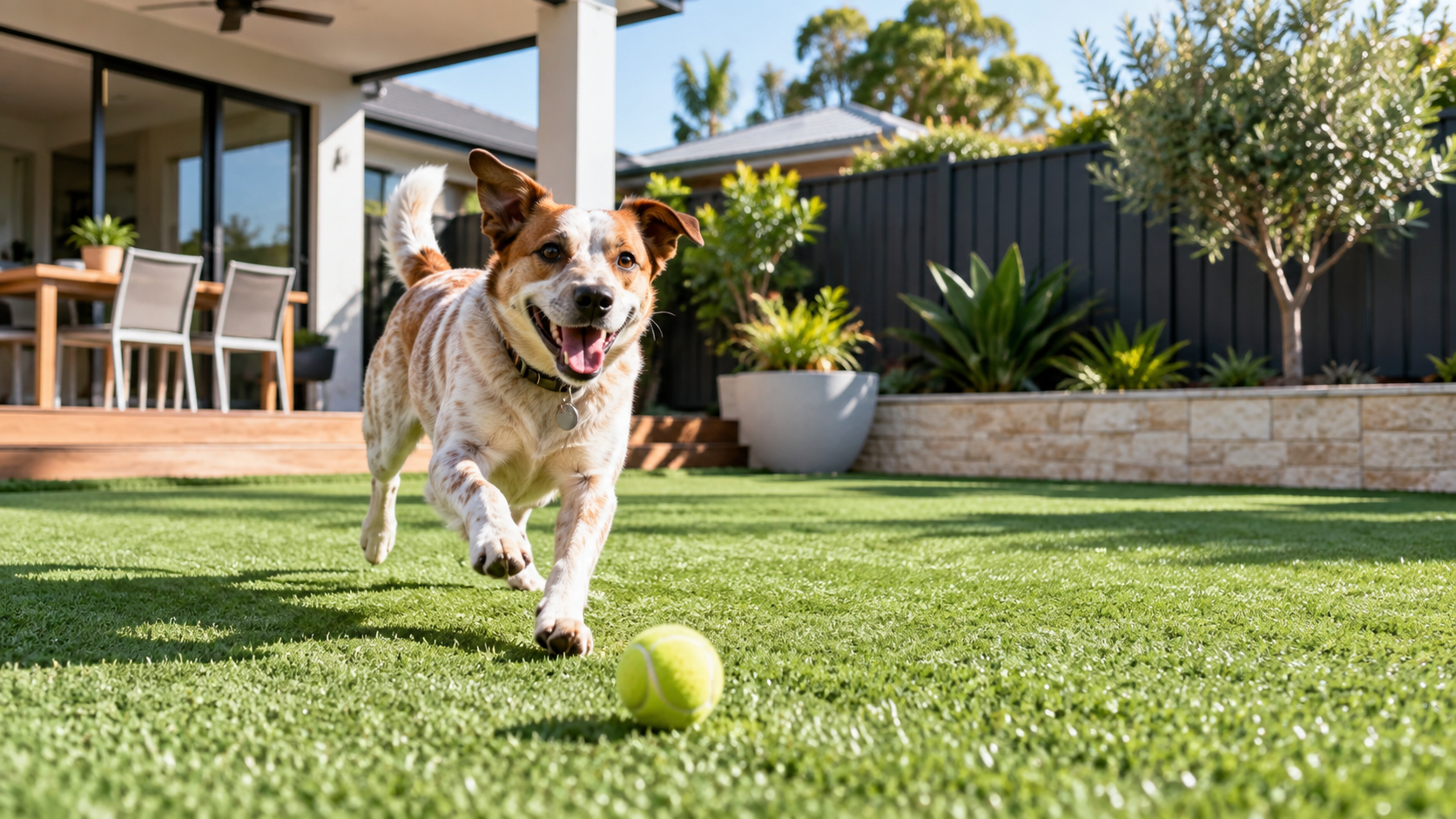
- Avoid exposing children or pets to excessively hot turf.
- Provide shaded alternatives where practical.
- Consider different surface materials for exposed pathways.
- Temporary rinsing should not be relied upon as a permanent cooling solution.
Why the Complete Turf System Matters
Suitable fibres are only one part of poolside performance. Backing, adhesives, joins and perimeter fixings must also tolerate moisture, cleaning and expected use. Poorly selected installation materials can undermine otherwise suitable turf. For routine care, refer to A1SGS’s artificial grass maintenance guide.
What Drainage and Base Preparation Are Needed for Artificial Grass Around Pools?
Poolside artificial grass requires a stable foundation and an effective drainage route. Water must pass through the turf and be directed away through appropriately designed base layers, suitable soil, or drainage infrastructure. Ground conditions, existing pool structures and surface levels determine the installation approach. Special attention is needed where artificial grass meets coping, paving, drainage outlets and steps.
Step-by-Step Poolside Artificial Grass Installation
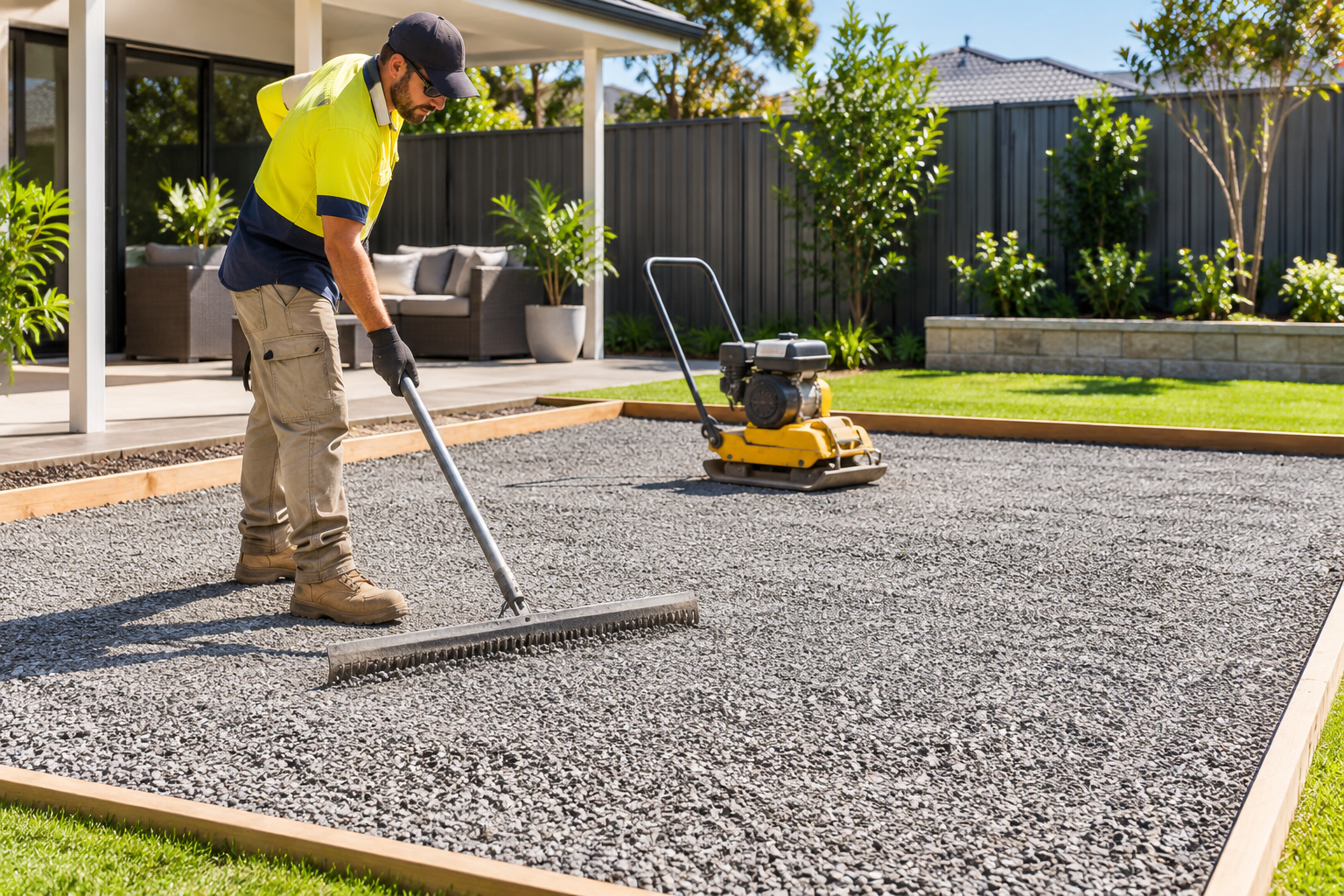
- Inspect the Pool Area Assess soil stability, existing surfaces, drainage outlets and surrounding structures. Identify areas where water collects and check the proposed finished height against pool coping and barriers.
- Prepare the Ground Remove unsuitable vegetation, debris and unstable material. Excavate to accommodate the specified base and turf system while protecting nearby structures and underground services.
- Plan Drainage Determine where water will flow after it passes through the turf. Maintain appropriate falls and avoid directing concentrated runoff towards buildings or neighbouring properties.
- Install the Base Place suitable aggregate or specified foundation materials in appropriate layers. Compact the foundation while maintaining the drainage requirements of the installation design.
- Check Surface Levels Confirm the finished falls and transitions between turf, paving and pool surrounds. Avoid unexpected changes in height or trip hazards near access routes.
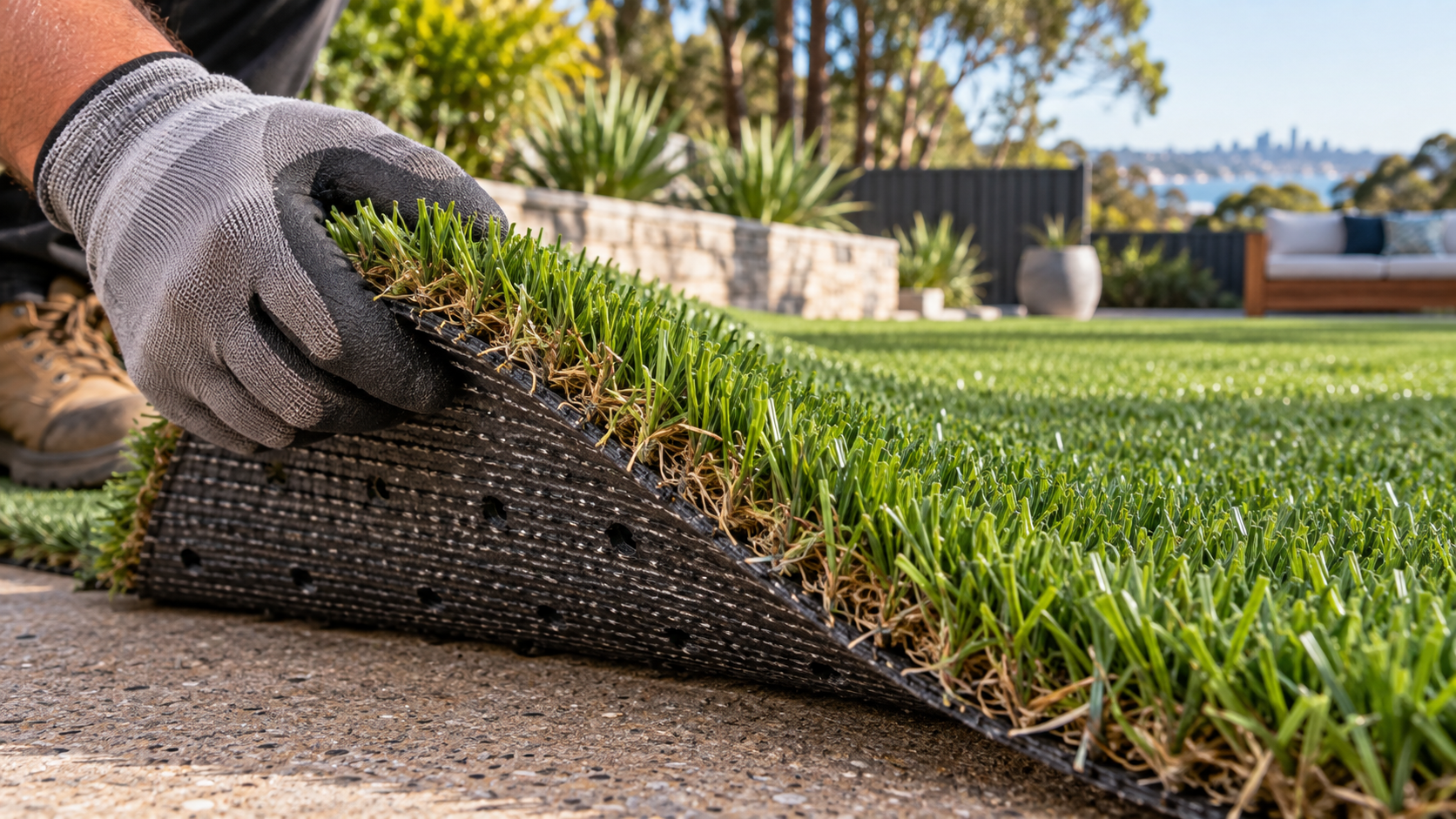
- Install the Turf Lay the selected turf according to its manufacturer’s requirements. Use compatible joining materials, adhesives, and perimeter fixings suitable for exposure to moisture.
- Finish Edges and Joins Secure seams and edges so they remain stable during normal use. Check finished ground levels where the installation approaches pool fences or gates.
- Inspect the Completed Installation Review surface stability, drainage, joins, edging and access transitions. Address defects before allowing regular use, particularly in busy pedestrian areas.
Common Poolside Installation Mistakes
Avoid:
- Laying turf over unstable ground
- Ignoring existing drainage
- Blocking poolside drainage outlets
- Using incompatible adhesives
- Leaving raised seams or unsecured edges
- Creating uneven transitions beside paving
- Directing runoff towards buildings
- Changing levels without reviewing pool barrier requirements
A1SGS explains the broader process in its synthetic grass installation guide.
For areas with poor drainage, steep slopes, or complex pool structures, a professional assessment is advisable before groundwork begins.
Choose Artificial Grass That Suits Your Pool Area
Choosing artificial grass around a pool involves balancing appearance with wet-surface performance, heat exposure, chemical compatibility and drainage. Suitable outdoor fibres and secure installation are important, but they must form part of a system designed for the actual pool environment.
Artificial grass may work well in landscaping and relaxation zones, while alternative surfaces may be more appropriate in heavily used wet-access areas. For advice about suitable products, explore A1SGS’s residential artificial grass options. Share your pool layout, drainage conditions and intended use when requesting guidance so the proposed turf and installation can be assessed for your property.
Explore Residential Artificial GrassFrequently Asked Questions
Is Artificial Grass Safe to Install Around a Swimming Pool?
Artificial grass can be suitable in selected swimming pool areas when the product, installation and drainage meet the location’s requirements. It is not automatically a slip-resistant safety surface. Request relevant wet-barefoot performance information and review pool barrier compliance. Purpose-designed paving may remain preferable for heavily used access routes.
Does Artificial Grass Become Slippery When Wet?
Artificial grass can become slippery under some conditions. Wet grip depends on fibre construction, contamination, installation and surface wear. Water, algae and sunscreen residue may affect performance. Ask for appropriate testing documentation for the exact product and intended location rather than relying on general descriptions such as “non-slip”.
Can Chlorine Damage Artificial Grass?
Chlorine exposure may affect synthetic turf depending on material compatibility, chemical concentration and exposure frequency. Some outdoor products are intended for poolside use, but the product specifications should confirm this. Follow the manufacturer’s cleaning instructions and keep concentrated pool chemicals away from the turf.
Does Artificial Grass Drain Water Effectively Around Pools?
Suitable artificial grass can allow water through its backing. Effective drainage also depends on the compacted foundation, the underlying soil, and the available drainage route. Poor grading or blocked outlets can cause pooling even when the turf is permeable. Drainage should be assessed as part of the complete installation.
How Long Does Artificial Grass Last Around a Swimming Pool?
Poolside artificial grass lifespan depends on product construction, sunlight exposure, chemical exposure, traffic, installation, and maintenance. No universal service life can be guaranteed. Compare the manufacturer’s warranty, poolside-use recommendations, and exclusions related to chemicals, heat, or other environmental conditions before purchasing.